Understanding Deepfakes in Video Conferencing
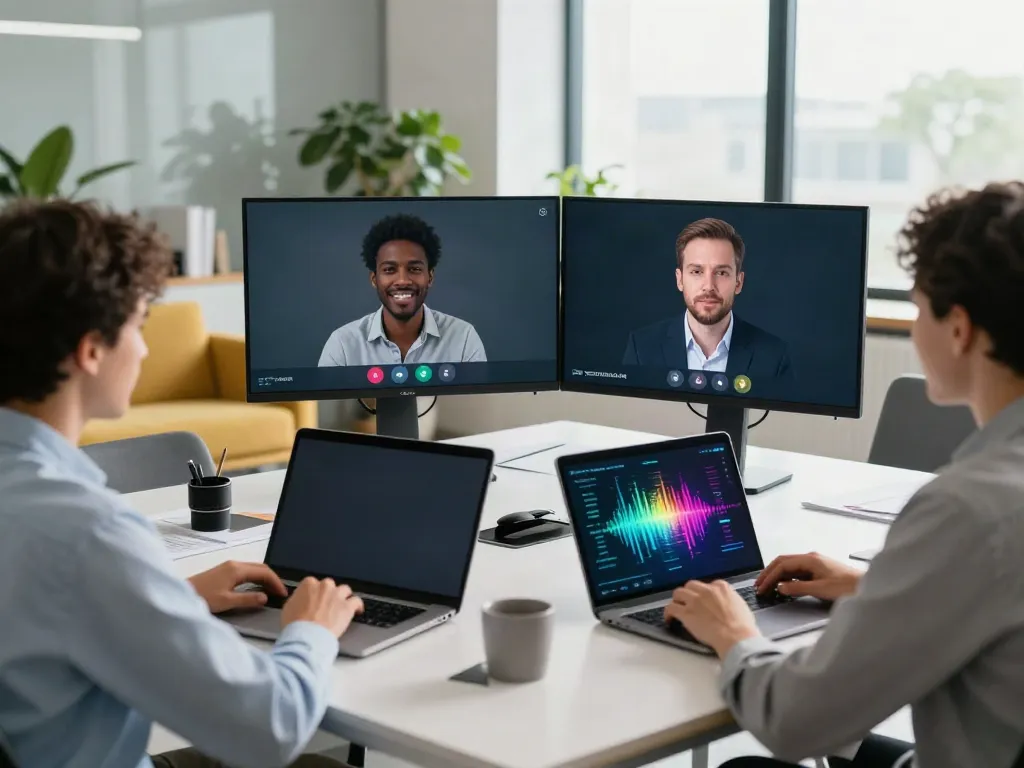
As technology continues to evolve, so do the threats posed by malicious actors. One of the most concerning developments in recent years is the rise of deepfake technology, particularly in the realm of online video calls, meetings, and conferencing. Deepfakes are hyper-realistic digital media crafted using artificial intelligence to produce deceptive content that can manipulate the identity and likeness of individuals. With remote communication becoming integral to business operations and personal interactions, understanding and addressing the risks associated with deepfake technology is crucial for maintaining security and authenticity in virtual engagements. When exploring options, Deepfake protected Online Video Calls, Meetings and Conferencing provides comprehensive insights into how to tackle these security challenges effectively.
What are Deepfakes?
Deepfakes refer to synthetic media in which a person's likeness is replaced with someone else's likeness using deep learning techniques. The term originally combined "deep learning" and "fake," indicating how machine learning models are trained on large datasets of video and audio to mimic real behaviors and voices. These forgeries can take the form of realistic video clips, audio recordings, or images, making it increasingly difficult to differentiate between genuine and manipulated content.
The Rise of Deepfake Technology
The proliferation of deepfake technology has been driven by the accessibility of advanced AI tools and the growing availability of high-quality data. As more individuals and organizations utilize video conferencing for communication, cybercriminals have identified this medium as a lucrative target for impersonation and fraud. According to recent studies, nearly 80% of businesses reported an increase in cyber threats related to deepfake technology during video calls. This trend raises alarms for sectors such as finance, healthcare, and legal services, where the authenticity of participants can significantly impact trust and decision-making.
Identifying Deepfake Threats in Meetings
Detecting deepfakes during video meetings requires vigilance and a solid understanding of common manipulation tactics. Signs that may indicate the presence of a deepfake include:
- Inconsistent facial expressions: If a speaker's mouth movement does not sync with their speech, or their emotions seem misaligned, it may be a red flag.
- Unnatural lighting: Deepfakes can struggle to accurately replicate the way light reflects on a human face, leading to unnatural shadows or lighting discrepancies.
- Background anomalies: Look for glitches or distortions in the video background that cannot be accounted for, as these can signal a manipulated clip.
- Irregular eye movements: A deepfake may not convincingly replicate the nuances of human eye movement, such as blinking or gaze direction.
Implementing Deepfake Protection Strategies
To safeguard against deepfake threats in online meetings, organizations must take proactive measures designed to bolster security. Implementing robust technologies and adhering to best practices can significantly mitigate risk.
Choosing the Right Technology
Selecting an appropriate deepfake detection solution is a foundational step in protecting virtual communications. Various platforms now offer advanced AI-driven tools designed to identify and flag potential deepfake content in real-time. For instance, solutions like those provided by iProov and Reality Defender integrate seamlessly with existing video conferencing software, enhancing security without disrupting user experience.
Best Practices for Secure Online Meetings
In addition to technology, organizations should establish clear protocols for conducting online meetings. Consider the following best practices:
- Verify identities: Always validate the identity of participants before sharing sensitive information.
- Use secure links: Send unique meeting links to participants to minimize the risk of unauthorized access.
- Record meetings: Keep a secure archive of meetings for auditing purposes, which can help address discrepancies later.
- Implement strong access controls: Require passwords or PINs for meetings, especially for sensitive discussions.
Integrating Multi-Factor Authentication
Multi-factor authentication (MFA) adds an essential layer of security to video conferencing applications. By requiring participants to provide additional verification beyond just a password—such as a one-time code sent to a mobile device—MFA can significantly reduce the likelihood of unauthorized access and impersonation attempts.
Enhancing User Experience During Digital Meetings
Security measures must blend seamlessly with user experience. When participants feel confident in their security, they can focus on the business at hand.
Creating a Trustworthy Environment
Building a culture of trust involves encouraging open communication about security protocols. Make it clear that security measures are there to protect everyone, and invite feedback from team members about their experiences with the tools in use. Ensuring that everyone is on the same page can foster a sense of collective responsibility.
User Training on Security Features
Providing training on recognizing deepfake threats can empower users to be proactive in safeguarding their meetings. Regular workshops and updates on security best practices can help ensure that staff are well-equipped to identify and respond to potential threats effectively.
Gathering Feedback for Continuous Improvement
After meetings, soliciting feedback regarding the security features and user experience can provide invaluable insights. This continual improvement loop allows organizations to adapt and enhance protective measures based on real experiences and evolving threats.
Real-World Applications and Case Studies
Several organizations have successfully implemented deepfake protection strategies, yielding valuable lessons that can inform practices across various industries.
Successful Implementations of Deepfake Protection
For example, a financial services firm integrated AI-driven detection tools within its video conferencing platform and saw a significant decrease in attempted fraud cases. Training employees and implementing rigorous verification processes were instrumental in this success.
Lessons Learned from Security Breaches
Conversely, companies that neglected to address deepfake threats faced severe repercussions. One notable case involved a multinational firm that lost millions due to a successful deepfake impersonation of an executive during a critical transaction meeting. This incident underscored the necessity of robust protective measures.
Industry-Specific Use Cases
Different industries face unique challenges concerning deepfake threats. For example, healthcare providers must ensure that patient data remains confidential, while legal firms must maintain the integrity of witness testimonies. Tailored strategies that address specific sector vulnerabilities are crucial for effective deepfake protection.
Future Trends in Video Conferencing Security
As deepfake technology continues to evolve, so too must the strategies and technologies designed to combat it. Looking ahead, several trends are emerging.
Emerging Technologies to Watch in 2026
Future advancements may include more sophisticated AI solutions capable of real-time detection and enhanced user authentication methods that adapt to behavioral patterns. Initiatives focused on blockchain technology could provide additional verification layers, thereby ensuring transactional integrity in video calls.
Predictions for Deepfake Countermeasures
Experts predict that as deepfake technology advances, so will countermeasures. Enhanced machine learning algorithms will likely become standard, allowing organizations to stay ahead of would-be attackers. As the landscape of online communication security evolves, continuous adaptation to emerging threats will be paramount.
The Evolving Landscape of Online Communication Security
The integration of deepfake detection tools and proactive safety measures signals a shift toward a more secure virtual environment. As the global workforce embraces remote collaboration, the need for a comprehensive approach to deepfake protection will only intensify. Organizations that prioritize security will not only protect their assets but also foster trust and confidence amongst their stakeholders.
Are DeepFakes actually illegal?
The legality of deepfakes often hinges on the intent and context behind their creation. While deepfake technology itself is not inherently illegal, using it for malicious purposes—such as defamation, fraud, or identity theft—can lead to criminal charges.
Can anyone secretly watch your video calls?
Yes, it is possible for unauthorized individuals to access video calls if proper security measures are not in place. Utilizing secure meeting platforms and enabling encryption can help mitigate this risk significantly.
Which app is best for fake video calls?
While it is not ethical to produce fake video calls, various apps claim to provide such services. However, organizations should focus on legitimate communication tools that prioritize security over deceptive practices.
What does deepfake protection mean?
Deepfake protection encompasses a range of strategies and technologies designed to safeguard online communications from manipulation. This includes AI detection tools, multi-factor authentication, user training, and secure meeting protocols.
Why would a scammer want to video call?
Scammers may utilize video calls to establish trust and manipulate victims into divulging sensitive information or completing illicit transactions. A convincing deepfake can make this impersonation far more effective.