Understanding the Concept of Celebrity Look-Alikes
The fascination with celebrity look-alikes has surged in recent years, driven by social media trends and advanced technology. People are increasingly interested in discovering their doppelgängers, prompting a wave of applications and websites designed for this purpose. To explore how one can look like celebrities, we must first delve into the essence of what it means to resemble a well-known figure.
What Does It Mean to Look Like Celebrities?
At its core, the phrase "look like celebrities" refers to the resemblance between an individual and a famous person, often based on facial features, expressions, and hairstyles. This phenomenon transcends mere physical similarity, often encompassing personality traits and style, leading to a deeper cultural fascination. The idea of having a celebrity twin can invoke feelings of admiration, envy, or even validation, as people often aspire to the glamour associated with these individuals.
The Psychology Behind Celebrity Doppelgängers
The allure of look-alikes is steeped in psychology. Humans are inherently social beings, and the desire to belong or connect with iconic figures is a compelling aspect of our nature. Seeing a reflection of oneself in a celebrity can bolster self-esteem and provide a sense of identity. Furthermore, the phenomenon of celebrity worship—where individuals idolize famous personalities—can amplify the psychological impact of discovering one's look-alike. Numerous studies suggest that people tend to project their desires and aspirations onto these figures, enhancing the emotional significance of look-alike findings.
Famous Cases of Celebrity Look-Alikes
Throughout history, there have been numerous instances of look-alikes that have captured public attention. For example, the striking resemblance between actors Zoe Saldaña and Thandiwe Newton illustrates how two individuals can share similar features while leading completely different lives. These instances not only entertain but also create a bridge for fans to engage in dialogue and comparisons, further solidifying the cultural relevance of celebrity look-alikes.
Technological Innovations in Identifying Celebrity Look-Alikes
With advancements in technology, the ability to identify celebrity look-alikes has become more accessible and widespread. Artificial intelligence (AI) plays a pivotal role in this evolution, enabling individuals to discover their famous twins through simple uploads of their photographs.
How AI is Revolutionizing Look-Alike Technology
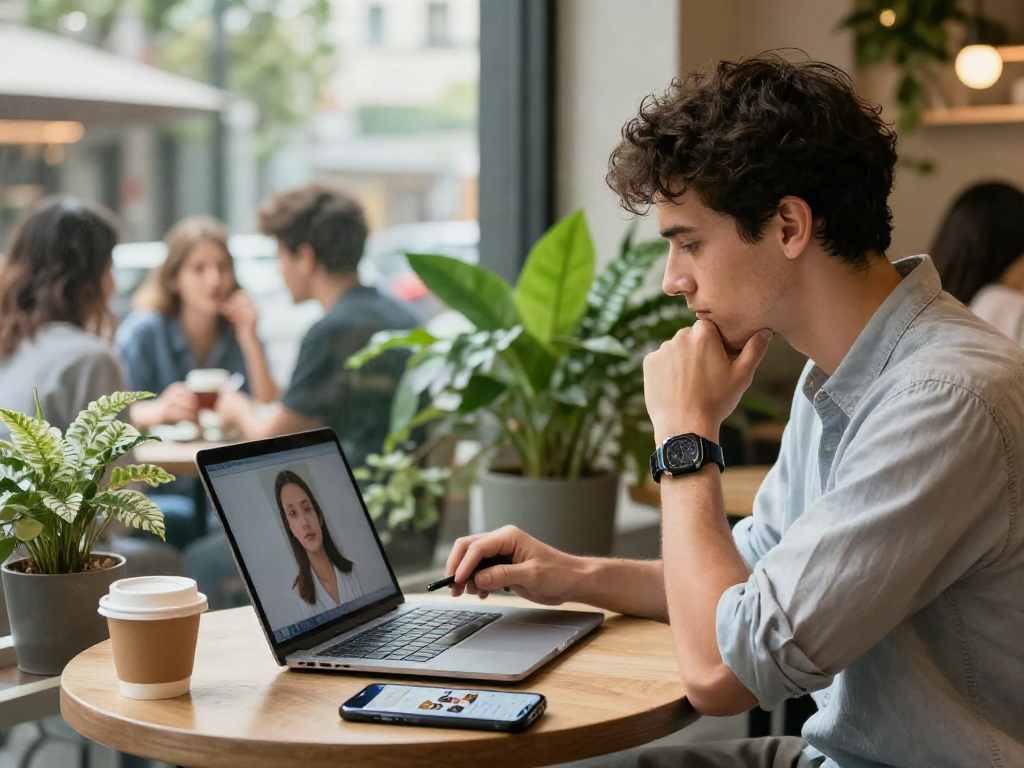
AI-driven algorithms have transformed the way we identify look-alikes. Through machine learning and computer vision technologies, platforms can analyze facial structures, skin tones, and other features in a matter of seconds. Applications such as Face Shape Detector and StarByFace utilize sophisticated neural networks to compare user-uploaded photos against thousands of celebrity images, providing quick and often surprisingly accurate results.
Popular Apps That Help You See Who You Resemble
Several trendy applications allow users to discover their look-alikes effortlessly. Apps like "Celebs Like Me," available on both iOS and Android, make the process engaging by letting users share their results on social media platforms. Such applications have garnered massive popularity, with hundreds of thousands of reviews highlighting their fun and entertaining nature.
Accuracy and Limitations of Celebrity Matching Algorithms
While many AI apps boast impressive accuracy, it is crucial to recognize their limitations. Factors such as lighting, angles, and facial expressions can significantly influence the results. Furthermore, the databases these apps use may not always contain the most current or comprehensive celebrity images, leading to potential mismatches. Users should approach the results with a sense of fun rather than definitive conclusions about their resemblance to any celebrity.
Social Media Influence on Celebrity Look-Alike Culture
The rise of social media platforms has been a game-changer for the celebrity look-alike phenomenon. Viral trends often emerge from casual posts, leading to widespread participation and enjoyment.
How Celebrity Look-Alikes Go Viral
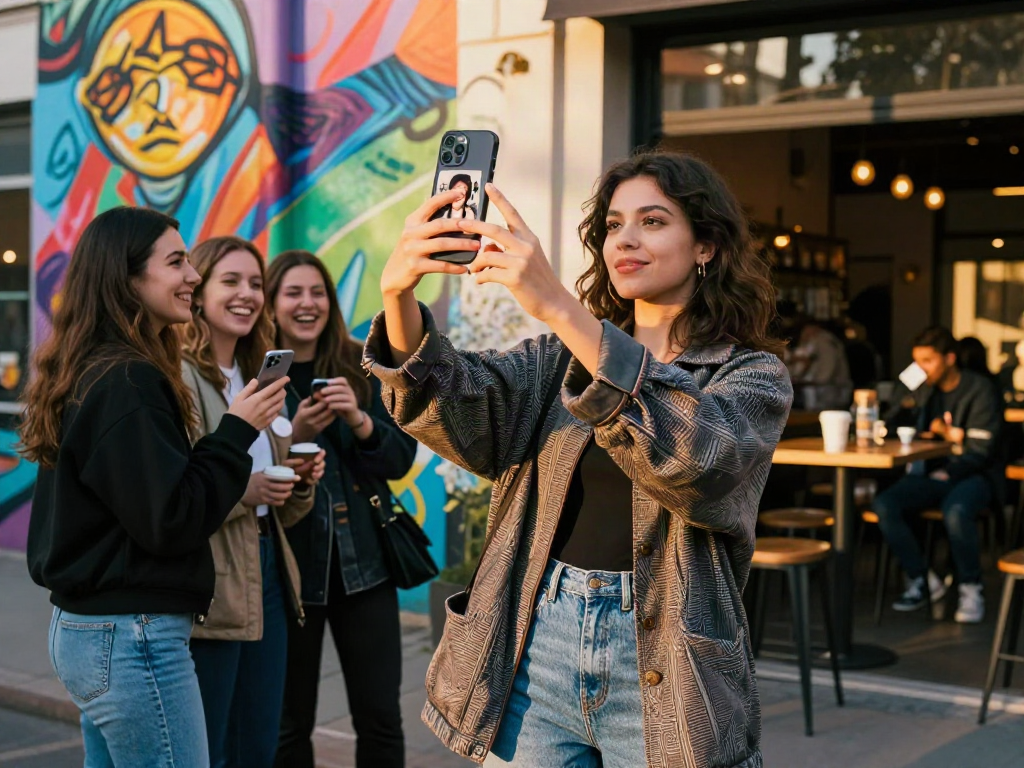
Viral challenges on platforms like TikTok and Instagram frequently encourage users to share their look-alike results. These challenges not only entertain but also create a sense of community among participants, leading to shared experiences and laughter. As people share their results, they participate in a broader conversation about identity, beauty, and popular culture.
The Role of Influencers in Shaping Perception
Influencers play a critical role in shaping perceptions around celebrity look-alikes. With their extensive reach, they can popularize look-alike comparisons, encouraging their followers to engage in similar explorations. By showcasing their results and experiences, influencers contribute to the normalization of the trend, further embedding it within societal norms.
Community Engagement and Look-Alike Challenges
Online communities dedicated to celebrity look-alikes foster connections among fans and participants. Platforms like Reddit host discussions where users can share their findings and delve into amusing comparisons. These paves the way for a unique blend of humor and engagement, where the allure of looking like a celebrity becomes a shared social experience.
Personal Branding Through Celebrity Comparisons
In the age of social media and influencer marketing, leveraging celebrity look-alikes can provide a unique edge for personal branding and marketing strategies.
Leveraging Celebrity Look-Alikes for Marketing Strategy
Brands can capitalize on the appeal of celebrity look-alikes to create engaging content. By associating products or services with popular figures, businesses can enhance recognition and relatability. Marketing campaigns that highlight celebrity resemblances can attract attention, drawing in potential customers who aspire to emulate the celebrities they admire.
How to Use Your Look-Alike for Social Media Content
Individuals can creatively utilize their celebrity resemblances to elevate their social media presence. By creating content that plays into this similarity, such as themed photoshoots or humorous comparisons, users can build an engaging narrative that resonates with their audience. Such strategies not only boost visibility but also inspire content sharing, leading to increased engagement.
Building a Personal Brand Around Celebrity Resemblance
For those who closely resemble a celebrity, there exists a unique opportunity to build a personal brand. By embracing this likeness, individuals can carve out a niche for themselves, potentially attracting collaborations and sponsorships. Authenticity is key—users should balance their resemblance with their unique personality to create a compelling brand narrative.
Future Trends in Celebrity Look-Alike Technologies
The landscape of celebrity look-alike technologies is ever-evolving, with advancements on the horizon that promise to enhance user experiences and offerings.
What's Next for Face Recognition Innovations?
As AI technology continues to advance, we can expect even greater accuracy and innovation in celebrity look-alike applications. Enhanced facial recognition algorithms may offer deeper insights into the likenesses between individuals and celebrities, potentially incorporating features like age progression and varied expressions.
Emerging Platforms and Their Features for 2026
In the coming years, new platforms may emerge, offering features like augmented reality (AR) experiences where users can see themselves as celebrities in real-time. These technologies could forever change the way people interact with their aspirations and identity, merging fantasy with reality.
Predictions on the Evolution of Celebrity-Looking Technologies
As societal norms shift and technology progresses, the realm of celebrity look-alikes will likely expand. Future innovations may integrate aspects of personalized celebrity comparison, tailoring results to user preferences and enhancing the overall user experience. Such advancements could redefine how we perceive resemblance and connection in an increasingly digital world.
What are some popular apps to find my celebrity look-alike?
There are numerous popular apps available today designed to uncover who you might resemble among celebrities. Options like "Celebs Like Me", "StarByFace", and other AI-powered tools provide fast and engaging results that can be shared with friends for added fun. Each app typically requires a simple upload of a photo to generate matches.
How accurate are celebrity look-alike apps?
The accuracy of celebrity look-alike apps can vary widely. Some utilize advanced algorithms that rely on large databases of facial features, while others may not be as precise. Users should be prepared for entertaining discrepancies and should see these results as light-hearted rather than definitive.
Can anyone truly look like a celebrity?
In theory, anyone can resemble a celebrity to some extent, as unique combinations of facial features exist among individuals. However, the degree of resemblance varies, and many factors influence how closely someone aligns with a well-known figure. Moreover, celebrities often have unique elements that are difficult to replicate, such as styling and persona.
What psychological effects do look-alike findings have?
Finding out you resemble a celebrity can yield mixed psychological effects. While some may experience a boost in self-esteem and confidence, others might grapple with issues of identity, particularly if their image is closely tied to a public figure. Understanding these dynamics can help individuals navigate their feelings about their look-alikes more effectively.
How can businesses benefit from celebrity look-alike trends?
Businesses can harness the allure of celebrity look-alikes to craft unique marketing campaigns. By creating content that captures the essence of a celebrity resemblance, companies can attract attention, inspire conversation, and engage audiences. This approach taps into the natural fascination with celebrity culture to enhance brand visibility.