Understanding QOVES and Its Alternatives
As the demand for cosmetic and self-improvement services has surged in recent years, technologies like facial analysis apps have gained popularity. One such service is QOVES, which offers a detailed analysis to help users enhance their appearance. However, with a membership fee of $150 per year, many potential users are exploring alternatives to QOVES that might provide similar or even superior services at a lower cost. This guide aims to cover various alternatives, examining their unique features, pricing, and the benefits they offer to those seeking to improve their aesthetic appeal.
What is QOVES and How Does It Work?
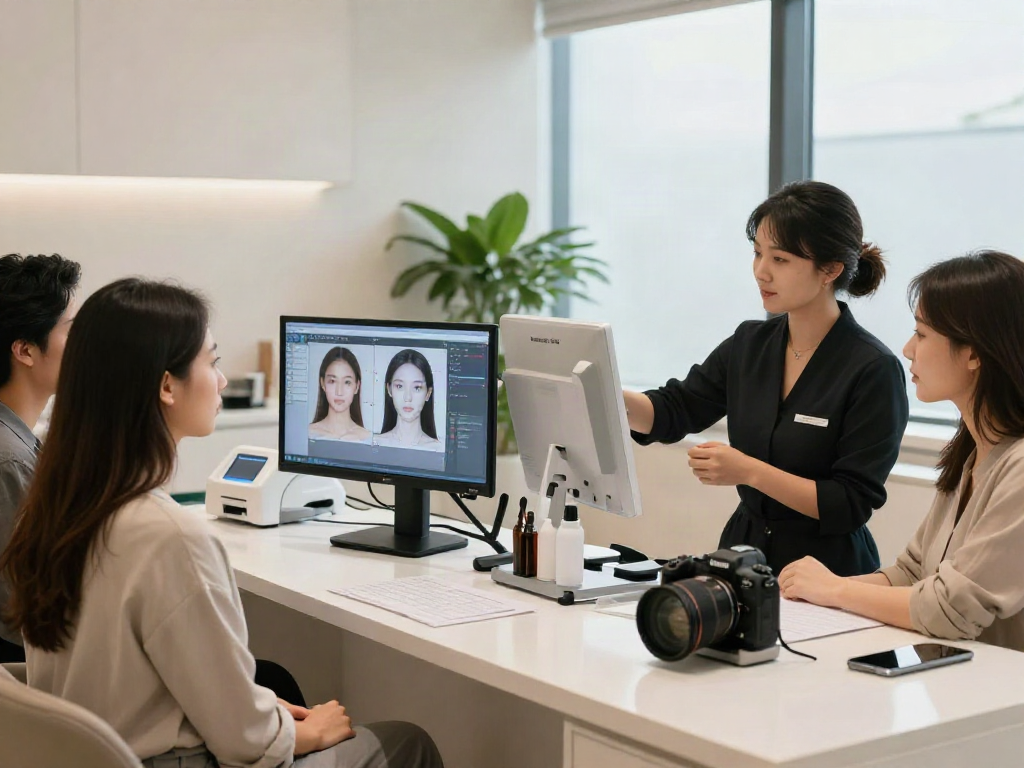
QOVES is an innovative platform that provides users with personalized facial analysis based on their unique features. Users submit selfies, which are then evaluated by a team of trained aesthetics specialists who create a comprehensive report. This includes visual simulations and a tailored protocol aimed at enhancing the user's appearance. With a focus on scientific aesthetics, QOVES emphasizes a methodical approach to beauty improvement, using a combination of AI-driven insights and human expertise.
The service promises to deliver detailed reports within 28 days, providing insights into areas such as skin quality, facial symmetry, and recommended grooming techniques. However, such an extensive service comes with a price tag that some might find steep, especially in comparison to other available options.
Cost Comparison: QOVES vs Alternatives
When assessing QOVES against its competitors, one of the most critical factors is cost. QOVES charges $150 for an annual membership, which includes a detailed analysis. This translates to an average monthly cost of about $12.50. While this pricing structure may seem reasonable for in-depth analysis, users should consider alternative services that may offer similar benefits at a more competitive price.
For instance, ClinicEvo provides a similar service at just $12 per month, totaling approximately $144 annually. While both services involve trained professionals reviewing the results, the key distinctions lie in the turnaround time and the overall user experience. Rapid analysis apps like Umax, LooksMax AI, PrettyScale, and FaceRate.ai offer instant scoring based on uploaded selfies, usually at no cost or via lower monthly fees. It's important to compare not just the headline prices, but also the depth of analysis and follow-up services provided by each option.
Defining Alternatives to QOVES: Who Needs Them?
The search for alternatives to QOVES is particularly relevant for users who may not require an in-depth analysis or those who are hesitant to commit to an annual fee. Many individuals may be exploring facial analysis apps for casual use or as part of a self-improvement journey without the need for extensive coaching or follow-up services. Whether one is a beauty enthusiast or simply curious about their aesthetic potential, understanding the various options available allows consumers to make informed decisions that align with their needs and budget.
Exploring Top Alternatives to QOVES
ClinicEvo: Personalized AI Facial Analysis
As an alternative to QOVES, ClinicEvo stands out due to its personalized approach to AI facial analysis. Priced at $12 monthly, ClinicEvo offers a full report that is human-reviewed by trained aesthetic specialists. Users receive detailed insights into their facial features along with a customized EvoPlan™, which outlines specific recommendations for improvement.
This comparative advantage of ClinicEvo lies in both its cost-effectiveness and the human touch involved in the analysis process, ensuring that users not only receive numerical scores but also actionable feedback on enhancing their appearance.
Umax: Instant Beauty Scoring App
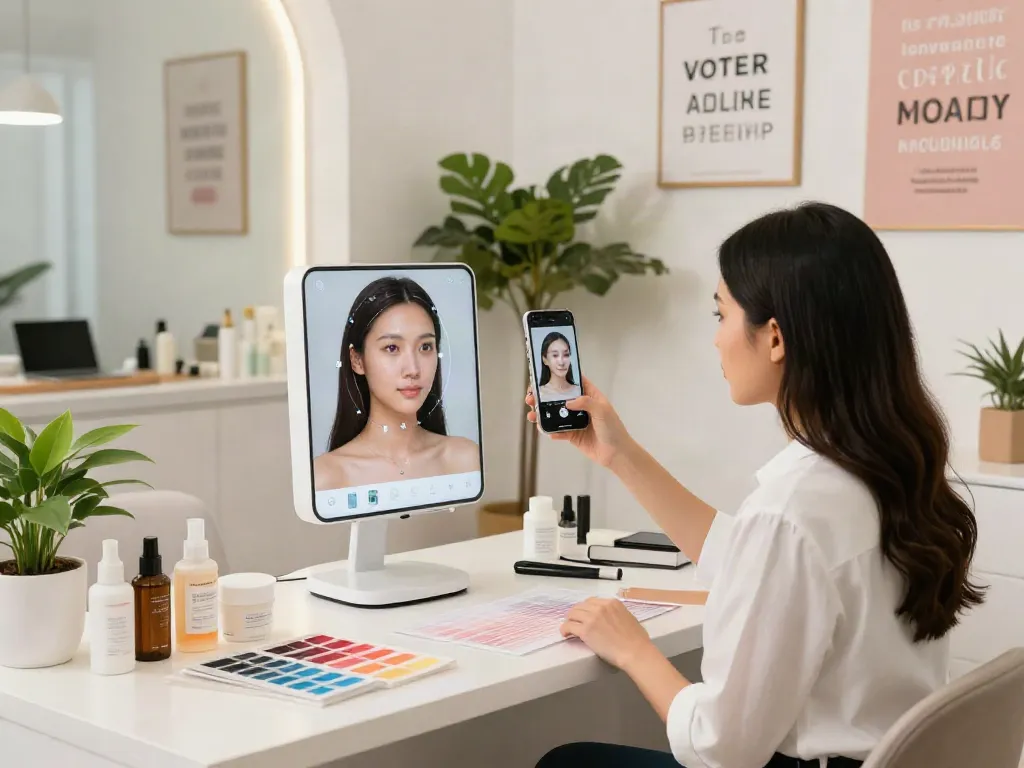
Umax is another popular app that provides quick beauty assessments based on AI technologies. The app allows users to upload selfies and receive immediate scores, often accompanied by tips on improving their aesthetic appeal. While Umax does not feature a human review process, its ease of use and instant results make it a go-to option for users seeking quick feedback without the commitment of a longer service. The use of AI enables Umax to deliver attractive ratings, however, users should keep in mind that these scores might lack the depth of analysis found in more comprehensive services.
LooksMax AI: Attractiveness Ratings and Suggestions
LooksMax AI functions similarly to Umax, providing users with an AI-generated attractiveness rating based on facial analysis. The app typically offers grooming, skincare recommendations, and hairstyle suggestions to assist users in maximizing their beauty potential. The strategic simplicity of LooksMax AI, focusing on straightforward scoring, appeals to users looking for a quick assessment without extensive analysis.
While both Umax and LooksMax AI offer more casual services, the key distinction lies in their focus on instant results versus in-depth planning, making them suitable alternatives for users who prioritize efficiency.
Key Features to Consider When Choosing Services
Human Review vs. Automated Analysis
One of the most significant aspects to consider when choosing a facial analysis service is whether the results are reviewed by trained professionals or generated solely by AI. Human reviewers can provide context that algorithms might miss, thus adding value to the analysis. Services like ClinicEvo emphasize human oversight, while others, such as Umax and LooksMax AI, primarily rely on automated scoring systems. Users should assess their preferences for human feedback versus quick automated results when selecting a service.
Personalized Plans vs. General Scores
Equally important is the difference between receiving a detailed, personalized plan or simply a general score. Services like ClinicEvo offer comprehensive plans tailored to individual users, suggesting actionable steps to enhance their appearance based on their unique features. In contrast, scoring apps like PrettyScale and FaceRate.ai provide numerical ratings without detailed guidelines, which may suffice for users looking for casual insights but fall short for those seeking a structured improvement plan.
Cost Over Time: Subscription vs. One-time Payments
Another consideration is the financial commitment associated with each service. Subscription-based models, like ClinicEvo, offer flexibility and continuous support, while one-time payment services like Facet allow users to make a single investment for lifetime access. Evaluating the total cost over time helps users determine which model fits their budget and aesthetic aspirations better. It's essential to account for potential ongoing subscriptions versus one-time fees when planning for facial analysis services.
Common Questions Regarding Alternatives to QOVES
Are There Free Versions Available?
Many users are curious about whether free versions of facial analysis services exist. Both PrettyScale and FaceRate.ai offer free trials or basic functionalities, allowing users to score their selfies without financial commitment. While these free options can provide a fun introduction to facial analysis, users should be aware that they typically lack the comprehensive insights found in paid services like QOVES or ClinicEvo. This makes them more suitable for users interested in casual exploration rather than serious assessment.
What Are Users Saying About These Services?
User reviews can provide valuable insights into the effectiveness and user experiences associated with various facial analysis services. Many users express satisfaction with the personalized feedback from ClinicEvo, noting the noticeable improvements in their aesthetic choices based on the detailed insights received. On the other hand, users of scoring apps like Umax and LooksMax AI appreciate the convenience and speed of obtaining results, even if they acknowledge the limitations of a purely automated approach.
Analyzing user feedback can help prospective clients choose a service that aligns with their needs and aspirations, ensuring they select a platform with a strong reputation for quality and accuracy.
How Accurate Are Beauty Rating Apps?
The accuracy of beauty rating apps largely depends on several factors, including the sophistication of the underlying technology and the data used to develop the algorithms. Apps that incorporate human feedback, like ClinicEvo, generally provide more reliable assessments. In contrast, while automated apps can deliver instant scores, they may lack context and depth. Users seeking precision in their analysis should consider services with a strong emphasis on human review and ongoing adjustments.
Future Trends in AI Facial Analysis Services
Emerging Technologies in Aesthetic Assessments
As the field of AI and facial analysis continues to evolve, emerging technologies are set to enhance user experiences. Advancements in machine learning and computer vision will lead to more precise evaluations and personalized recommendations, making aesthetic assessments more efficient and tailored. Additionally, integrations with augmented reality may allow users to visualize results and suggested improvements more dynamically.
Predictions for AI Innovations by 2026
Looking ahead, we can anticipate a surge in AI innovations that will not only refine scoring algorithms but also expand the scope of analysis. The incorporation of biometric data and a broader range of aesthetic criteria may lead to even more comprehensive reports, empowering users with insights that encompass makeup tips, skincare regimens, and treatment suggestions. The future may hold powerful tools that integrate seamlessly into daily beauty practices.
Personalized Beauty: The Next Big Thing?
The push for personalized beauty experiences will undoubtedly shape the future landscape of facial analysis services. As consumers increasingly seek tailored solutions, companies must adapt their offerings to meet these expectations. This trend may lead to the rise of hybrid models that blend AI-driven assessments with human expertise, ensuring users receive the most valuable insights while enjoying an engaging and interactive experience.