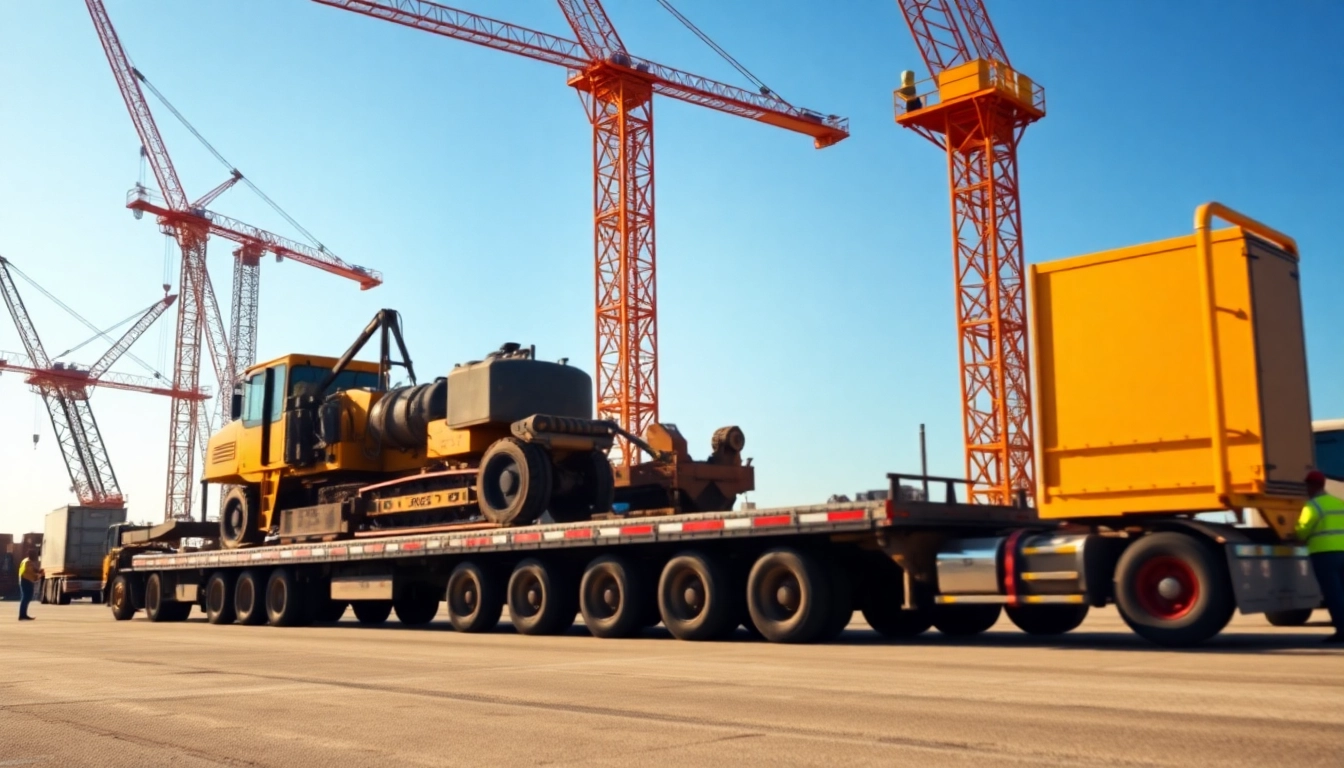
Understanding Equipment Transport
Equipment transport is a critical component in the logistics and construction industries. It ensures that heavy machinery and tools arrive at their destination in a timely and safe manner, facilitating smooth operations across various sectors. For those looking to optimize their operations, understanding the nuances of equipment transport is imperative.
What is Equipment Transport?
Equipment transport refers to the process of moving heavy machinery, tools, and related items from one location to another. This process can involve various transportation methods, tailored around the specific characteristics of the equipment, such as its size, weight, and fragility. Effective equipment transport not only ensures the machinery reaches its destination but also focuses on minimizing downtime and optimizing cost-efficiency.
Importance of Efficient Equipment Transport
Efficient equipment transport is vital for several reasons:
- Minimizing Downtime: Fast and reliable transportation helps reduce downtime, allowing projects to progress as scheduled.
- Cost Management: Well-planned transport can lead to lower costs by reducing delays and improving resource management.
- Safety: Proper transport methods ensure the safety of both the equipment and the personnel involved by adhering to regulations and best practices.
Common Types of Equipment Requiring Transport
A wide range of equipment may require specialized transport:
- Heavy Machinery: Includes excavators, bulldozers, and cranes that are often oversized and require specialized trailers.
- Construction Tools: Smaller tools like concrete mixers, generators, and scaffolding that need careful handling during transport.
- Agricultural Equipment: Tractors, plows, and harvesters often need to be transported between farms or to different locations for seasonal work.
- Industrial Equipment: Equipment used in manufacturing processes, such as conveyor systems and industrial ovens, often require transport for maintenance or relocation.
Factors Influencing Equipment Transport Costs
Weight and Dimensions of Equipment
The weight and dimensions of the equipment are primary factors in determining transport costs. Heavier or larger equipment will typically require more specialized transport solutions, such as lowboy trailers or multi-axle designs, increasing both logistical complexity and expense. It's essential to obtain precise measurements and weight specifications to get accurate quotes from transport service providers.
Distance and Route Considerations
The distance between the origin and destination greatly affects transport costs. While longer distances may seem straightforward, factors such as geography, road conditions, and traffic can complicate logistics, potentially leading to unexpected expenses. Routes that include urban areas or state-to-state journeys might require additional permits or adjustments in planning, contributing to higher costs.
Seasonal and Market Factors
Seasonal demand for equipment transport can fluctuate, especially in industries like construction and agriculture. Prices may rise during peak seasons or when market conditions create high demand for transport services. Recognizing these trends allows businesses to plan and budget more effectively, securing transport services during off-peak times for better rates.
Selecting the Right Equipment Transport Service
Types of Transport Services Available
Various transport services are available, tailored to meet specific needs:
- Flatbed Transport: Ideal for standard loads that can be easily loaded and unloaded.
- Lowboy Trailers: Suitable for transporting oversized equipment that exceeds the height limits.
- RGN Trailers: Removable gooseneck trailers that facilitate loading and unloading heavy machinery.
- Hot Shot Services: For urgent, smaller loads that require immediate transport.
Evaluating Transport Providers
When selecting a transport provider, consider key performance indicators that mark their reliability and effectiveness:
- Reputation: Look for reviews and testimonials from prior clients to gauge customer satisfaction.
- Experience: Providers with extensive experience in equipment transport often better understand logistics challenges.
- Insurance and Licensing: Ensure the provider is adequately insured and licensed to operate, protecting you from liabilities.
Key Questions to Ask Providers
To ensure you select the right service, consider asking these pivotal questions:
- What types of equipment do you specialize in transporting?
- Can you provide references from previous clients?
- What safety measures do you implement during transport?
- What is your typical transit time for my type of equipment?
- What are your insurance coverage options?
Best Practices for Safe Equipment Transport
Preparing Equipment for Transport
Proper preparation is key to safe transportation. Begin by securing loose parts, ensuring all attachments are fastened appropriately. Verify that all necessary maintenance checks are completed, especially fluid levels, to prevent leaks during transport.
Loading and Unloading Techniques
Effective loading and unloading techniques are essential for ensuring safety and preventing damage. It’s crucial to assess the equipment’s center of gravity to balance the load properly. Using appropriate ramps, forklifts, or cranes during loading can significantly reduce the risk of accidents.
Legal and Regulatory Considerations
Adhering to legal regulations is a vital aspect of equipment transport. Depending on size and weight, permits might be required. Different states have varying regulations regarding oversized loads, so it’s essential to consult local guidelines before proceeding.
FAQs about Equipment Transport
How much does it cost to transport equipment?
Transport costs typically range from $2 to $5 per mile depending on the equipment's weight, size, and route conditions.
What types of equipment can be transported?
Commonly transported equipment includes heavy machinery, construction tools, and agricultural equipment, tailored to client needs.
How to prepare equipment for transport?
Secure loose parts, check for fluid leaks, and ensure equipment is operationally safe for transport.
Do I need permits for equipment transport?
Yes, permits may be required based on the size, weight of the load, and local regulations during transport routes.
What factors affect delivery time for equipment transport?
Delivery time is influenced by distance, traffic conditions, weather, and the logistics planning of the transport route.
Contact Information
Call Us: 4062607988Address: 3906 MT-40, Columbia Falls, MT 59912