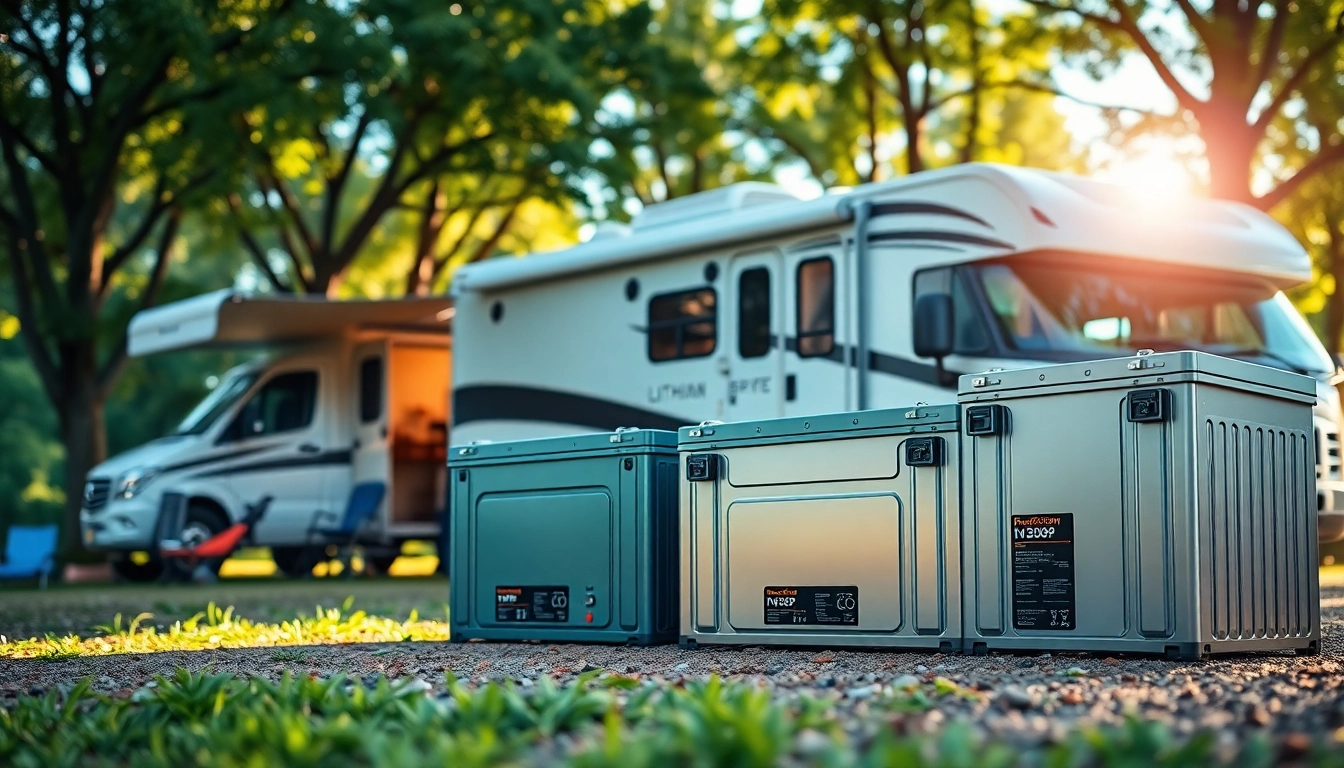
Introduction to Lithium RV Batteries
As off-grid adventures become increasingly popular, understanding the power source that fuels these experiences is paramount. Lithium RV batteries are leading the way to providing campers, travelers, and van-lifers with reliable and efficient energy storage solutions. But what exactly makes these batteries so appealing when it comes to powering recreational vehicles (RVs)? Let's explore the essential facets of lithium RV batteries, including their features, advantages, applications, and more.
What are Lithium RV Batteries?
Lithium RV batteries are rechargeable batteries that utilize lithium-ion technology to store and discharge electrical energy, especially tailored for recreational vehicles. Unlike traditional lead-acid batteries, lithium batteries are lighter, have a higher energy density, and can be discharged deeper without significant damage. These batteries fundamentally change the landscape of RV electricity consumption by providing longer run times, shorter charging cycles, and enhanced lifespan compared to their lead-acid counterparts.
Key Advantages of Lithium RV Batteries
The advantages of Vatrer Power lithium RV batteries make them a top choice for those seeking efficient energy solutions while on the road. The key benefits include:
- Longevity: Lithium batteries boast a lifespan of up to 10-15 years, significantly outlasting traditional lead-acid options that typically last 3-5 years.
- Weight Savings: They are substantially lighter, making installation and performance in an RV far more manageable.
- Faster Charging: Lithium batteries can be charged in a fraction of the time compared to lead-acid batteries, maximizing time spent on the road.
- Space Efficiency: Their compact design allows them to fit in tighter spaces without compromising on energy output.
- Discharge Depth: Lithium batteries can be discharged to nearly 100% of their capacity, whereas lead-acid batteries suffer damage if discharged below 50%.
Common Applications for Lithium RV Batteries
Lithium RV batteries have a wide array of applications, making them versatile companions for various types of RV users. Common uses include:
- Off-Grid Camping: For those who venture off the beaten path, reliable energy is essential for powering lights, appliances, and tools without any grid connection.
- Seasonal RVing: Travelers using their RVs seasonally can benefit from the longevity and battery health of lithium batteries, ensuring readiness for each use.
- Solar Energy Systems: Lithium batteries integrate seamlessly with solar power systems, enabling a sustainable energy source for extended adventures.
- Boondocking: For frequent boondockers, lithium batteries provide the deep cycle performance necessary to sustain power demands during extended stays away from campsites.
Choosing the Right Lithium RV Batteries
Selecting the appropriate lithium RV battery can be a daunting task given the variety of choices available. Several factors must be considered to ensure optimal performance aligned with your specific needs.
Understanding Battery Capacity and Size
When selecting a lithium RV battery, understanding its capacity is crucial. Battery capacity is often measured in Amp-hours (Ah). This measurement indicates how long a battery can deliver a specific amount of current. Common lithium battery sizes range from modest 100Ah batteries for minimal power requirements to larger units of 400Ah or more for significant electrical demands. Consider your energy usage patterns when assessing your battery capacity needs.
Factors to Consider When Purchasing
When purchasing a lithium RV battery, consider the following practical factors:
- Weight and Size: Ensure the battery fits within your RV's designated battery compartment or storage area. The weight also impacts overall vehicle performance.
- Power Output: Analyze your energy needs (lights, fridge, etc.) and ensure the chosen battery can provide sufficient output.
- Warranty: A robust warranty indicates manufacturer confidence in the product's performance. Look for warranties of five years or longer.
- Charge Cycles: Understand the number of charge cycles the battery can handle to gauge its long-term usability and performance.
Top Features to Look for
A quality lithium RV battery should include certain features that enhance user experience and overall performance:
- Battery Management System (BMS): A BMS helps monitor and optimize battery performance, ensuring safety during operation.
- Smart Technology: Advanced batteries may come equipped with Bluetooth connectivity or smartphone app support for real-time monitoring of battery status.
- Fast Charge Capability: The battery should allow for rapid charging, shortening downtime between adventures.
- Versatility: Look for batteries that can be linked in series or parallel for expandable power needs without complexities.
Installation and Setup of Lithium RV Batteries
Installing and configuring 12V 300Ah Lithium Battery involves several critical steps to ensure proper functionality and safety precautions throughout the process.
Essential Tools for Installation
Before embarking on the installation, ensure you have the necessary tools and equipment:
- Safety goggles and gloves
- Wrenches and pliers
- Battery connectors and terminals
- Multi-meter for voltage testing
- Wire cutters and strippers
Step-by-Step Installation Guide
Follow these steps for a successful lithium RV battery installation:
- Safety First: Wear safety gear and disconnect the current battery system.
- Remove Old Batteries: Safely remove existing batteries and clean the compartment.
- Position New Battery: Securely place the lithium battery within the battery compartment or designated storage location.
- Connect Wires: Carefully connect the positive and negative terminals, ensuring a strong and secure connection.
- Test System: Utilize a multi-meter to check voltage levels; ensure everything is correctly set up before closing the battery compartment.
- Final Checks: Turn on your RV electrical system to ensure the battery is working properly.
Common Installation Mistakes to Avoid
Every installation endeavor comes with its pitfalls. To ensure seamless integration, be wary of these common mistakes:
- Improper terminal connections can lead to voltage drops or shorts.
- Failing to secure the battery can result in movement causing damage during travel.
- Mixing different types of batteries in the same system can cause charging issues.
- Neglecting to consult the manufacturer's specifications can lead to using the wrong size battery.
Maintenance and Care for Lithium RV Batteries
Once installed, maintaining your lithium RV batteries ensures their performance and longevity. Effective maintenance practices can lead to improved battery lifespan and operational efficiency.
Best Practices for Battery Maintenance
Adopting proper maintenance routines will keep your lithium batteries functioning optimally:
- Regular Charge Monitoring: Ensure the battery is kept between 20% and 80% charge to prolong its lifespan.
- Temperature Control: Protect the battery from excessive heat or cold, as these extremes can damage battery health.
- Keep Connections Clean: Check for corrosion or dirt around terminals; clean as necessary to prevent power interruptions.
- Periodic Performance Checks: Test battery voltage and overall health every few months to catch early issues.
Signs Your Lithium RV Batteries Need Attention
Staying vigilant about your battery's health can prevent inconvenient failures during your travels. Look for these signs:
- Decreased run time or rapid discharging may indicate aging or defective cells.
- Unusual heat generation during charging or discharging can point toward cellular damage.
- Voltage readings that consistently hover below expected charges may signify battery failure.
Extending Battery Lifespan
To maximize the longevity of your lithium RV batteries, adhere to the following practices:
- Adopt a regular charging schedule, ensuring the battery is charged after each use.
- Avoid overcharging or deep discharges, as these can adversely affect battery chemistry.
- Ensure environmental factors are stabilized, including temperature regulation within the battery compartment.
Frequently Asked Questions about Lithium RV Batteries
Are lithium batteries worth it for an RV?
Yes, lithium RV batteries are worth it for many users, particularly those who frequently camp off-grid or boondock. Their longer lifespan, higher efficiency, and faster charging make them more cost-effective over time.
How long does a lithium battery last in an RV?
Typically, lithium RV batteries can last between 10 to 15 years when properly maintained, significantly outlasting traditional lead-acid batteries.
Can lithium batteries be charged with solar panels?
Yes, lithium batteries can be efficiently charged with solar panels, making them an excellent choice for off-grid systems or sustainable energy setups.
What is the lifespan of lithium RV batteries?
The effective lifespan of lithium RV batteries can range from 10 to 15 years, offering significant longevity compared to lead-acid models that typically last 3-5 years.
How do I know which size lithium battery I need?
Determining the correct size lithium battery depends on your energy consumption patterns. Calculate your daily power needs in Amp-hours to gauge the required battery capacity.