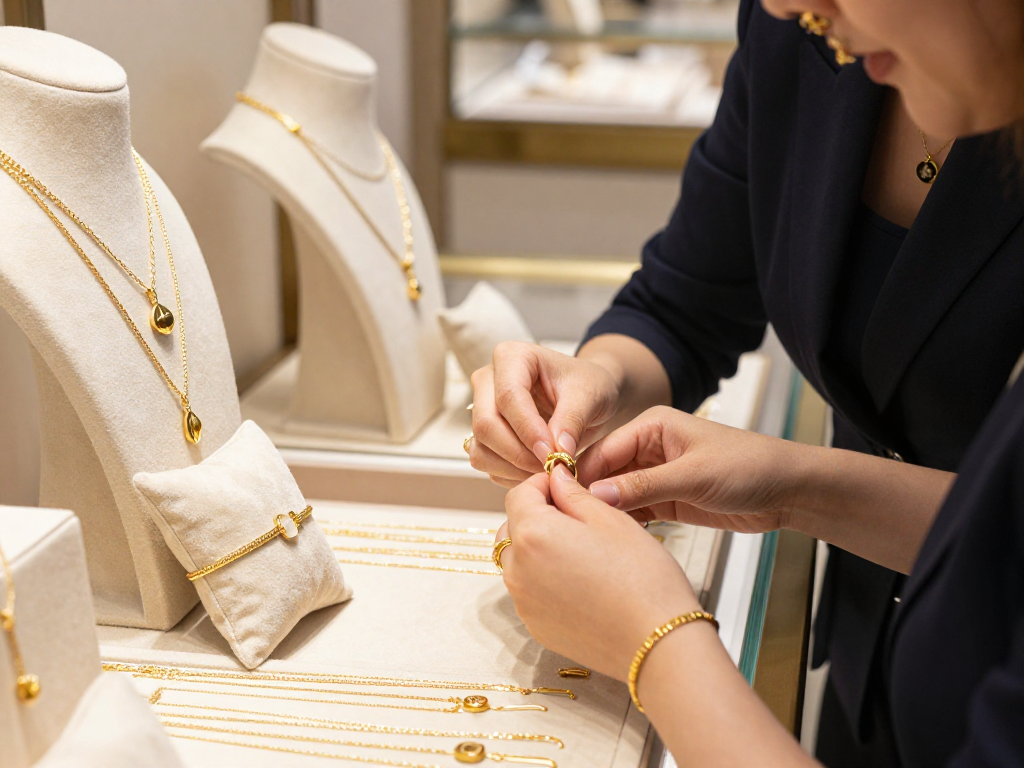
Understanding Gold Pricing in Bahrain
Gold pricing in Bahrain is a complex interplay of local and global factors that can create significant fluctuations in the market. Buyers and sellers alike must navigate this landscape to ensure they are making informed decisions regarding gold investments. Understanding the intricacies of gold pricing can help individuals and businesses alike tap into the robust gold market. When exploring options, mantra88 provides comprehensive insights into the current market conditions and pricing strategies.
What drives gold prices in Bahrain?
The price of gold in Bahrain is primarily influenced by several key factors, including:
- Global Market Trends: Spot prices for gold, determined on international commodities markets, have a direct impact on local pricing.
- Exchange Rates: The USD/BHD exchange rate plays a critical role since gold is traded in US dollars.
- Supply and Demand Dynamics: Seasonal demand, particularly during cultural events and holidays, can affect local prices.
- Inflation Rates: Higher inflation often leads to increased demand for gold as a hedge against depreciating currency.
Daily price fluctuations and market trends
Gold prices can change daily due to shifts in global economic factors. Investors need to keep a keen eye on market trends and should consider utilizing price tracking tools to stay updated. Many local jewelers and financial institutions provide daily updates on gold prices, which can serve as a valuable resource for buyers and sellers.
Impact of global economies on local pricing
Global economic events, such as geopolitical tensions or changes in central bank policies, can significantly influence gold prices both locally and internationally. Investors in Bahrain should take note of such events as they can lead to immediate changes in price and market sentiment.
Buying and Selling Gold: A Beginner's Guide
For newcomers to the gold market, understanding how to buy and sell gold is crucial. There are various types of gold available, including bullion bars, coins, and jewelry. Each type carries distinct values and should be assessed accordingly.
Identifying different gold purity levels: 24K, 22K, 18K
Gold purity is a critical factor in determining value. The measurement is typically expressed in karats (K). For example:
- 24K Gold: Pure gold, ideal for investment.
- 22K Gold: Contains approximately 92% gold, commonly used in jewelry.
- 18K Gold: Contains 75% gold, a popular choice for luxurious jewelry pieces.
How to assess gold value before a transaction
Before engaging in any buying or selling transactions, it's essential to conduct a thorough assessment of the gold's value. This can be achieved by:
- Checking current market prices.
- Understanding the purity level of the gold.
- Weighing the gold accurately.
- Getting a professional appraisal if necessary.
Key considerations when buying or selling gold
When dealing in gold, factors such as market trends, transaction fees, and the reputability of dealers should always be taken into account. Always verify whether the jeweler or dealer offers guarantees on authenticity and provides buyback options, as these are signs of credible business practices.
Safe Transactions: Ensuring a Secure Experience
Engaging in the gold market carries various risks, but there are steps buyers and sellers can take to ensure secure transactions. Here are some essential guidelines to keep in mind.
Steps to verify gold authenticity
To avoid counterfeit products, it's vital to verify the authenticity of gold items. Methods for verification include:
- Looking for hallmark stamps that indicate purity.
- Using acid tests or electronic testers for immediate results.
- Ordering certificates of authenticity from reputable sources.
Trusted methods for gold appraisals
Professional appraisals should be executed by certified gemologists or appraisers, who can provide an accurate evaluation based on current market conditions, purity levels, and physical condition of the gold.
Best practices for secure transactions
For secure transactions, always conduct dealings in safe environments. Use official meeting points or trusted jewelry stores. Ensure payment methods are secure, and never rush into a deal without proper research.
Gold Investments: Long-term Value and Strategies
Investing in gold can be a strategic move for wealth preservation. Here’s what potential investors need to know.
Benefits of investing in physical gold
Investing in physical gold provides several advantages, such as:
- Tangible Asset: Unlike stocks or bonds, gold is a physical asset that can be held.
- Inflation Hedge: Gold traditionally increases in value as inflation rises.
- Portfolio Diversification: Including gold in an investment portfolio can help diversify risk.
Understanding gold buyback options
When purchasing gold, consider the dealer's buyback options. Knowing the terms of buyback can help you make informed decisions, as not all dealers provide this service or may do so at unfavorable rates.
Market insights for future gold investments
Keep an eye on current trends and forecasts in the gold market. Changes in global economic conditions, inflation rates, and the strength of the U.S. dollar can all affect the future value of gold investments.
FAQs about Gold Trading in Bahrain
Gold trading often brings about numerous questions, especially for first-time buyers and sellers. Below are some common inquiries.
What are the common myths about buying gold?
Some common myths include the belief that there are fixed prices for gold, or that buying gold is always a guaranteed investment. In reality, prices fluctuate based on various factors, and investments always carry some risk.
How do I calculate the worth of my gold?
To calculate worth, multiply the purity level of your gold by the current market price per gram and weigh your gold accurately. For instance, if you have 20 grams of 24K gold and the price is $60 per gram, your gold is worth $1,200.
What paperwork is needed for gold transactions?
Typically, bills of sale, certificates of authenticity, and proof of identity are required for documentation purposes when buying or selling gold, especially for larger transactions.
Are there fees involved when selling gold?
Yes, sellers may face transaction fees, appraisal fees, and potential reductions in buyback rates from dealers. Always inquire about any fees beforehand to avoid surprises.
How do global gold prices affect local dealers?
Local dealers set their prices based on the current global spot price, adjusted for local demand, taxes, and operational costs. As global prices rise or fall, local prices often reflect these changes immediately.