
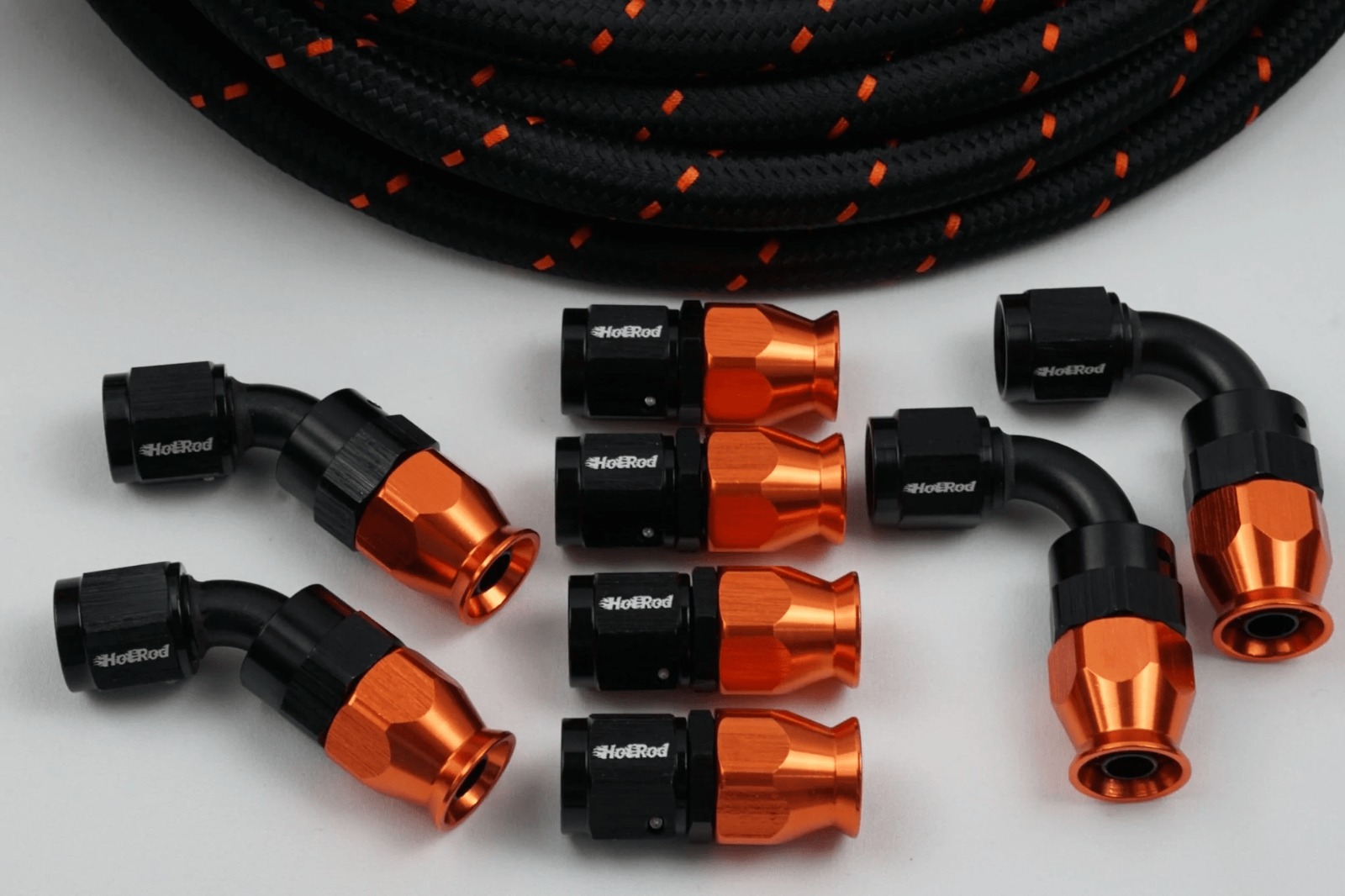
Fuel line AN fittings are essential components in modern performance and custom automotive builds, offering precision, safety, and durability in fuel delivery systems. The use of Fuel line AN fittings has become increasingly popular among professionals and enthusiasts who demand leak-free connections and high-pressure reliability in their vehicles. At Rvng RaceWorks, the focus on Fuel line AN fittings ensures that every modification meets high standards of performance, making them a core part of professional automotive upgrades.
Fuel line AN fittings: Understanding the Basics
In automotive engineering, Fuel line AN fittings are designed to create secure, reusable connections between fuel lines and system components. These fittings are standardized using AN sizing, which ensures compatibility across a wide range of performance applications. The precision engineering behind Fuel line AN fittings allows them to handle high fuel pressures without leakage or failure.
The construction of Fuel line AN fittings typically involves aluminum or stainless steel materials, which provide strength while keeping weight minimal. This makes them ideal for racing environments and high-performance street vehicles where efficiency and reliability are critical.
Fuel line AN fittings in Performance Upgrades
When upgrading a vehicle’s fuel system, Fuel line AN fittings play a crucial role in ensuring consistent fuel flow under demanding conditions. Performance engines require stable fuel delivery, and Fuel line AN fittings help eliminate restrictions that could negatively impact engine output.
Many automotive builders choose Fuel line AN fittings because they support flexible fuel line routing, allowing for cleaner engine bay layouts. This not only improves aesthetics but also enhances safety by reducing the risk of fuel leaks in high-heat areas.
In turbocharged and supercharged setups, Fuel line AN fittings are even more important because fuel pressure demands are significantly higher. Using high-quality Fuel line AN fittings ensures that the fuel system remains stable even under extreme boost conditions.
Installation Guide for Fuel line AN fittings
Proper installation of Fuel line AN fittings is critical for achieving maximum performance and safety. Before installation, it is important to select the correct AN size to match the fuel line diameter. Incorrect sizing of Fuel line AN fittings can lead to poor sealing and potential fuel system failure.
During installation, Fuel line AN fittings should be tightened carefully using appropriate tools to avoid damaging the threads or sealing surfaces. Many professionals recommend using a light lubricant on the threads of Fuel line AN fittings to ensure smooth assembly and prevent galling.
Routing fuel lines correctly is also essential when working with Fuel line AN fittings, as sharp bends or excessive tension can reduce system efficiency. Proper planning ensures that Fuel line AN fittings function optimally in both racing and street applications.
Choosing the Right Fuel line AN fittings
Selecting the correct Fuel line AN fittings depends on the type of fuel system and performance requirements. For high-performance racing vehicles, stainless steel Fuel line AN fittings are often preferred due to their superior strength and resistance to extreme conditions.
Aluminum Fuel line AN fittings are widely used in street performance builds because they offer a balance between durability and weight reduction. Regardless of material choice, ensuring compatibility is key when selecting Fuel line AN fittings for any build.
Another important factor is fuel compatibility. Ethanol-based fuels and racing fuels may require specific types of Fuel line AN fittings to prevent corrosion and maintain long-term reliability. Choosing high-quality Fuel line AN fittings ensures consistent performance over time.
Maintenance of Fuel line AN fittings
Regular inspection and maintenance of Fuel line AN fittings are essential for keeping the fuel system in top condition. Over time, vibration and heat cycles can affect the tightness of Fuel line AN fittings, making periodic checks necessary.
Cleaning Fuel line AN fittings helps prevent buildup of debris or fuel residue that could interfere with sealing performance. It is also important to inspect O-rings and sealing surfaces in Fuel line AN fittings to ensure there are no signs of wear or damage.
Replacing worn components in Fuel line AN fittings promptly helps avoid fuel leaks and maintains system efficiency. Proper maintenance ensures that Fuel line AN fittings continue to perform reliably in both high-performance and daily driving conditions.