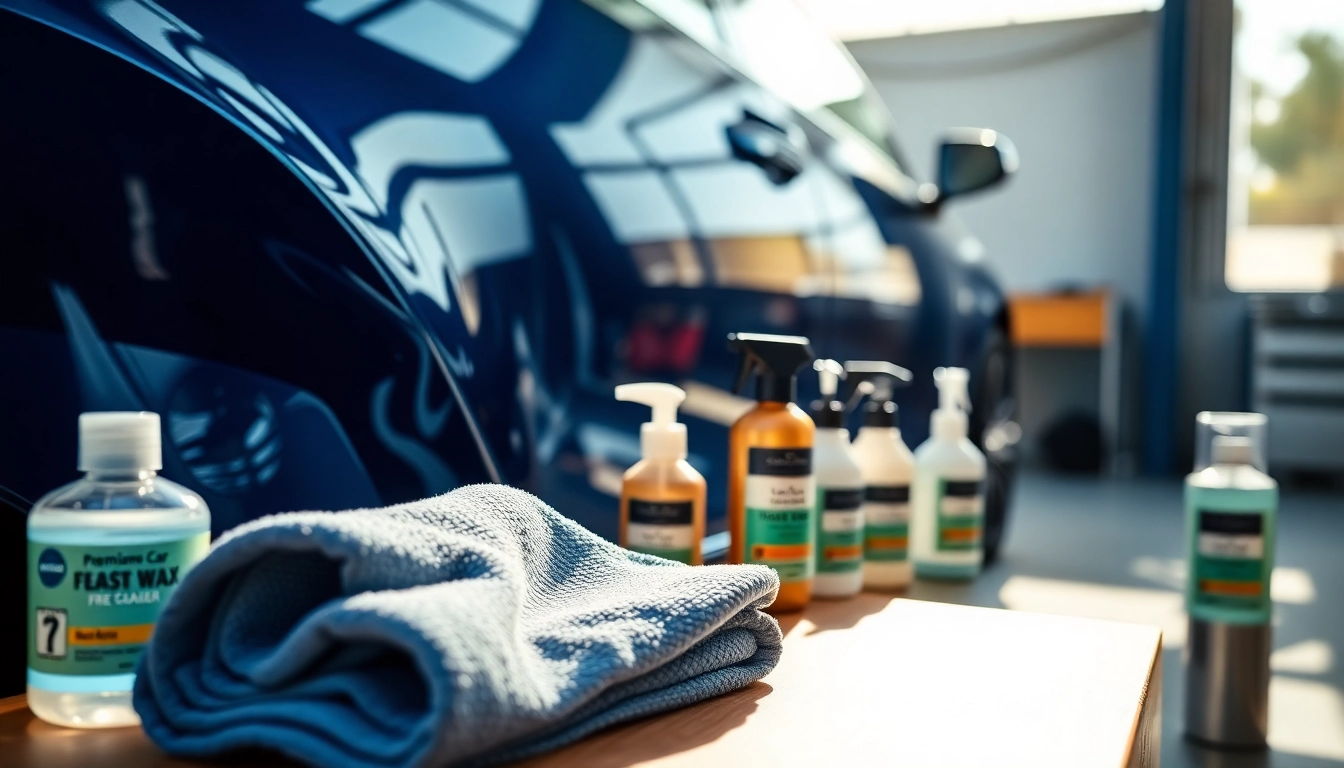
Maintaining the pristine condition of your vehicle's exterior is crucial for both aesthetic appeal and resale value. Understanding how to protect car paint after washing is vital for any car owner. In this comprehensive guide, we will delve into practical techniques and tips to ensure your car’s paint stays protected after every wash.
Understanding Car Paint Protection
Why Protecting Car Paint is Important
Car paint serves as a first line of defense against environmental hazards. Beyond aesthetics, protecting paint is essential for preserving the car's value over the years. Deterioration from elements like UV rays, acid rain, bird droppings, and road debris can lead to costly repairs. Proper protection not only maintains your vehicle's look but also extends its lifespan.
Common Threats to Car Paint
- Environmental Contaminants: Dust, dirt, sap, or bird droppings can erode paint over time.
- Sun Damage: Prolonged exposure to UV rays can cause fading and dullness.
- Chemicals: Car cleaning products with harsh chemicals can strip away protective coatings.
- Physical Damage: Road chips and scratches from debris can compromise paint integrity.
Overview of Protection Methods
Various methods exist for protecting car paint, with each offering different levels of defense. These include waxing, sealants, ceramic coatings, and more. Understanding the merits of each can help you choose the best solution for your car.
Effective Techniques for How to Protect Car Paint After Washing
Applying Quality Wax
Waxing is one of the oldest and simplest methods for protecting car paint. A good quality wax forms a protective barrier that shields the paint from contaminants and damaging UV rays. It's essential to choose products that are easy to apply and offer durable protection.
- Choose the Right Wax: Select a high-quality carnauba or synthetic wax for optimal results.
- Preparation: Ensure the car is thoroughly cleaned and dried before applying wax.
- Application: Apply the wax in small sections using a soft applicator in a circular motion.
- Buffing: Once the wax dries to a haze, buff it off with a clean microfiber cloth.
Using Sealants for Enhanced Protection
Sealants offer longer-lasting protection compared to traditional waxes. They are synthetic products designed to create a strong bond with the paint, making them resistant to environmental damage.
- Durability: Sealants can last several months, providing ongoing protection.
- Hydrophobic Properties: They repel water and contaminants, keeping the surface cleaner for longer.
- Application Method: Safe for both hand and machine applications; always follow manufacturer recommendations.
Exploring Ceramic Coatings
Ceramic coatings represent the cutting edge in paint protection technology. These coatings chemically bond with the car's paint, creating a hard, durable layer. This sophisticated option is known for its hydrophobic properties and superior resistance to scratches, chemicals, and UV rays.
- Professional Application: While some DIY kits are available, professional application is recommended for best results.
- Longevity: Ceramic coatings can last for years, significantly reducing maintenance needs.
- Cost-Effectiveness: Though more expensive upfront, their longevity makes them a cost-effective solution in the long run.
Maintaining Vehicle Shine Post-Wash
Best Practices for Drying Your Car
How you dry your car after washing is just as critical as washing itself. Avoiding scratches and swirl marks should be the priority.
- Use Microfiber Towels: Always opt for soft, absorbent microfiber towels that won’t scratch the paint.
- Pat Dry Instead of Wiping: Gently pat the surface to absorb water instead of wiping it, which can introduce micro-scratches.
- Consider Air Drying: You can allow your car to sit for a few minutes in the sun to help evaporate excess water.
Regular Maintenance Tips
Regular maintenance is key to preserving the gloss and integrity of your car’s paint. This includes washing techniques and protective measures.
- Frequent Washing: Wash your vehicle at least every two weeks to remove contaminants.
- Park in Shade: Whenever possible, avoid prolonged sun exposure that can cause fading.
- Cover Your Vehicle: Using a car cover can protect your paint from dust, UV rays, and bird droppings.
Cleaning Products to Use
Choosing the correct products is essential in the quest to protect your paint. Delicate formulas designed for automotive finishes provide the best results.
- pH-Balanced Car Wash: Avoid household soaps; instead, use specialized car wash soaps that won’t strip the wax or sealant.
- Detailing Spray: A detailing spray can be applied between washes for additional protection and shine.
- Avoid Abrasive Cleaners: Steer clear of anything with harsh chemicals or abrasives that can damage the finish.
DIY Methods for Paint Protection
Homemade Wax Alternatives
If you're looking for budget-friendly options, homemade wax alternatives can be quite effective. Common ingredients include carnauba wax or even natural oils.
- Coconut Oil: Provides moisture and a temporary barrier against dirt.
- Beeswax: Mix with other oils for a rich, protective paste.
- Preparation: Ensure the surface is clean before applying any homemade products for optimal results.
Using Quick Detailers Effectively
Quick detailers are fast-acting products that enhance shine and add a layer of protection. They are convenient for touch-ups between washes.
- Application Timing: Ideal for use immediately after a wash or when the car is warm from the sun.
- Method: Spray a liberal amount on one section, wipe off with a clean microfiber towel, then buff to shine.
Utilizing Protectant Sprays
Protectant sprays are easy to apply and provide instant shine and protection. They are particularly effective for vinyl and plastic trims.
- Choose the Right Type: Use specifically formulated protectants for automotive surfaces.
- Regular Use: Incorporate them into your detailing routine for maximum effectiveness.
FAQs About Protecting Car Paint
Common Questions
What is the best way to protect car paint? Regularly wash your car, apply wax, use sealants, or ceramic coatings for optimal protection.
How often should I wax my car? Waxing every 3 months is ideal for maintaining a protective barrier on your car's paint.
Are DIY methods effective for car paint protection? Yes, homemade solutions like natural waxes can be effective but may not last as long as commercial products.
Can I use dishwasher soap to wash my car? No, dishwasher soap can strip protective wax; always use pH-balanced car wash products.
Do ceramic coatings require special care? Yes, they need specific maintenance procedures to ensure their effectiveness long-term.
Issues with Paint Protection
While various methods for protecting car paint are widely available, challenges may arise. Some products can be difficult to apply accurately, leading to uneven finishes, while others may not provide long-term effects. Researching and choosing the right product for your car’s specific needs can minimize these challenges and ensure maximum protection against scratches, fading, and environmental damage.
Finding the Right Product for Your Car
Selecting the best protective products for your car depends on your specific needs—consider your driving environment and local weather conditions. Whether you prioritize ease of application or long-lasting protection, a range of products are available that cater to every car owner’s preferences.