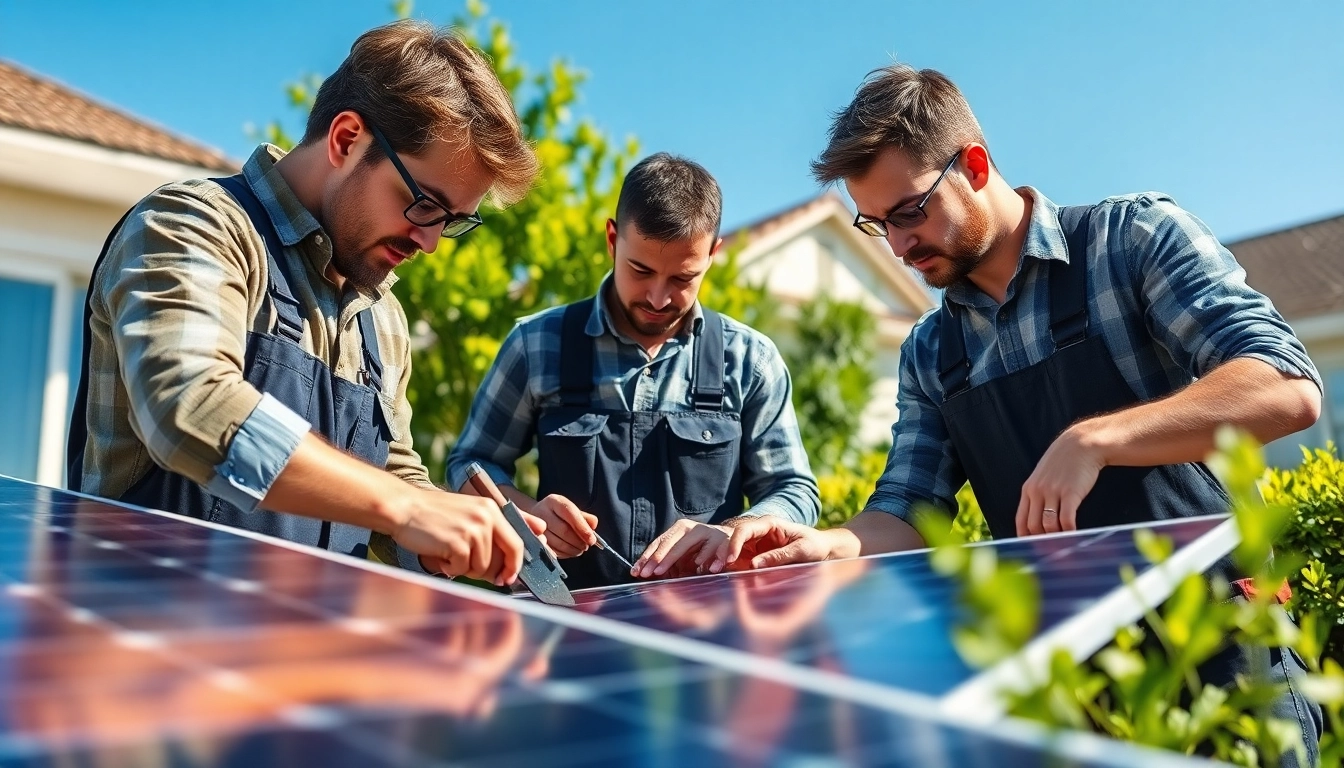
Understanding Solar Panel Repair
Solar panels represent a significant investment for many homeowners and businesses alike. When they malfunction or become less efficient, the need for solar panel repair arises. Understanding what solar panel repair entails and how to address common issues is crucial for maintaining optimal performance and longevity of your solar energy system.
What is Solar Panel Repair?
Solar panel repair involves diagnosing and fixing problems that can detract from the efficiency and functionality of solar panels. This covers everything from minor issues such as dirt accumulation to more critical problems like physical damage to the panels or malfunctioning electrical components. With proper care, many of these issues can be resolved, ensuring that solar panels continue to generate energy effectively.
Common Issues Requiring Repair
There are several prevalent issues that lead to the need for solar panel repair:
- Cracks and Breaks: Physical damage can occur due to weather conditions, debris, or poor installation.
- Electrical Failures: Malfunctions in the inverter or electrical connections can prevent energy production.
- Reduced Output: Over time, panels may lose efficiency due to dirt build-up, shading from trees, or aging.
- Connector Issues: Corrosion or damage to connectors can disrupt electrical flow and affect performance.
- Microcracks: Often invisible to the naked eye, microcracks can develop and lead to significant performance issues.
Importance of Professional Assessment
While some minor repairs can be attempted by savvy DIY enthusiasts, many issues require a professional assessment. Trained technicians can accurately diagnose problems, ensure that repairs comply with safety regulations, and prevent potentially hazardous situations. Professional assessments also help identify underlying issues that may not be immediately apparent, which can save time and money in the long run.
Steps for Effective Solar Panel Repair
Initial Inspection and Diagnosis
The first step in effective solar panel repair is conducting a thorough inspection. This includes visual checks for physical damage, assessing the solar array's electrical output, and using diagnostic tools to measure system performance. Technicians often review data logs from the inverter to pinpoint operational issues quickly.
Tools and Materials Needed
A successful repair requires the right set of tools and materials, including:
- Multimeter: For checking electrical connections and outputs.
- Insulation Resistance Tester: To test insulation levels and detect faults.
- Cleaning Supplies: Mild soap, water, and soft brushes for cleaning panels.
- Sealants and Adhesives: For repairing cracks and securing panel attachments.
- Replacement Parts: Such as wires, connectors, and inverters if necessary.
Repair Process Overview
The repair process generally involves several steps, which may include:
- Inspect Panels: Check for visible damage, dirt, or obstructions.
- Test Electrical Output: Use a multimeter to gauge the current from the panels.
- Clean Panels: Remove accumulated dirt and debris that could hinder performance.
- Repair or Replace Damaged Components: Depending on the diagnosis, repair cracks, replace damaged wires and connectors.
- Final Testing: After repairs, test the system to ensure optimal output.
Cost Factors in Solar Panel Repair
Average Cost Estimates
The costs associated with solar panel repair can vary significantly based on the nature of the problem. On average, homeowners may expect to spend between $150 to $1,000. Minor repairs, such as cleaning or replacing connectors, tend to be less expensive, while professional services that involve replacing an inverter or damaged panels can reach upwards of several thousand dollars.
Factors Affecting Repair Costs
Several factors can influence the cost of solar panel repair:
- Type of Damage: Some issues require more intensive labor and materials.
- Location: Costs may vary geographically based on labor rates and demand.
- Age of System: Older systems may require harder-to-find replacement parts.
- Warranty Coverage: If under warranty, some repairs may be covered or discounted.
Insurance and Warranties
It’s important to check your warranty for coverage options regarding repairs. Many solar panel manufacturers provide warranties for around 25 years, which often cover defects and performance issues. Homeowner's insurance may also cover certain types of damage, particularly if it results from severe weather.
DIY vs. Professional Solar Panel Repair
When to Attempt DIY Repair
Homeowners comfortable with basic maintenance can attempt minor repairs such as cleaning panels or checking wires. If the problem is immediately apparent, such as dirt accumulation or loose wiring, DIY methods can be effective. However, it’s crucial to prioritize safety and to have a solid understanding of electrical systems.
Pros and Cons of DIY Repair
There are advantages and disadvantages to DIY solar panel repair:
Pros:
- Cost savings on labor.
- Empowerment through hands-on problem solving.
- Flexibility to work on your schedule.
Cons:
- Risk of injury or further damage without proper knowledge.
- Time-consuming if you lack expertise.
- Possibility of voiding warranties with improper repairs.
Choosing a Professional Service
When dealing with complex issues, choosing a professional solar repair service is often the best course of action. A qualified professional will ensure repairs are conducted safely and efficiently, with industry knowledge to rectify intricate problems that the average homeowner might overlook.
Future Trends in Solar Panel Repair
Advancements in Repair Techniques
The solar repair industry continues to evolve with advancements in technology. New materials, such as transparent conductors and more resilient photovoltaic cells, enhance the durability of solar panels and reduce the frequency of repairs needed. Innovations in diagnostic equipment allow for more accurate assessments, enabling quicker and more efficient repairs.
Environmental Considerations in Repairs
As the awareness of environmental sustainability grows, many repair companies prioritize eco-friendly practices. This includes proper disposal of old components, recycling materials, and utilizing energy-efficient equipment during repair processes. Moreover, environmentally conscious products are now more widely used in repairs, minimizing the carbon footprint of maintenance efforts.
How Technology Enhances Repair Services
Technology plays a pivotal role in improving solar panel repair services. Remote diagnostics allow technicians to assess issues without an on-site visit, saving time and resources. Additionally, software applications can help manage maintenance schedules, track performance metrics, and remind homeowners of necessary inspections, contributing to a seamless repair experience.
Frequently Asked Questions
1. What are the signs that my solar panels need repair?
Common signs include reduced energy output, visible cracks, and warning lights on the inverter. Regular inspections can help identify issues early.
2. Can I repair my solar panels myself?
Minor tasks like cleaning are generally safe for DIY, but significant repairs should be left to professionals to avoid injury and ensure safety.
3. How much does solar panel repair typically cost?
Costs can range from $150 to over $1,000, depending on the extent of the damage and the necessary repairs.
4. Are solar panel repairs covered under warranty?
Many manufacturers offer warranties that cover performance issues, but it’s important to review specific warranty terms for your panels.
5. How can I increase the lifespan of my solar panels?
Regular cleaning, prompt repairs, and professional assessments can help maintain optimal performance and extend the lifespan of solar panels.