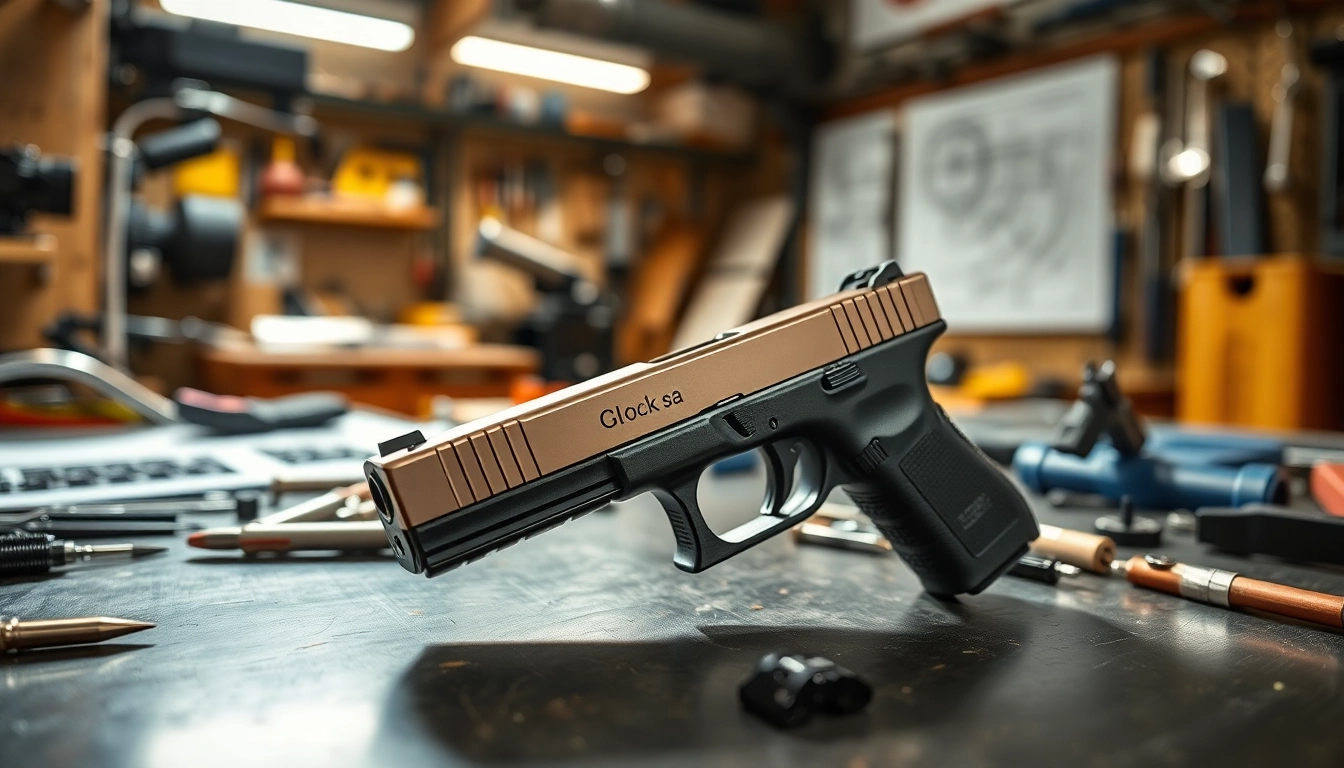
Understanding the Glock Slide: An Overview
What is a Glock Slide?
The glock slide is one of the core components of a Glock pistol, serving as the upper section that encases the barrel and houses other critical elements such as the recoil spring. The slide's primary functions include chambering and ejecting cartridges, housing the firing pin and extractor, and allowing for the attachment of various optic accessories. It’s responsible for both the mechanical operation of the firearm and providing a secure interface for the user’s grip.
Key Components of a Glock Slide
Understanding the key components of a Glock slide can significantly enhance your appreciation of how a Glock operates. Critical components include:
- Barrel: The inner tube where the bullet travels, attached to the slide for efficient firing.
- Recoil Spring Assembly: A spring mechanism that absorbs recoil during firing, cycling the slide back for the next round.
- Extractors: Responsible for removing the spent cartridge from the chamber after firing.
- Firing Pin: Strikes the cartridge primer to initiate firing; housed within the slide.
- Optic Cuts: These are grooves or cuts on the slide designed to accommodate red dot sights and optics, enhancing shooting accuracy.
Importance of Glock Slide Design
The design of the Glock slide is vital for multiple reasons, including performance, adaptability, and safety. A well-designed slide ensures proper alignment of components, reduces wear through improved tolerances, and allows customization with various aftermarket parts. The ergonomics of the slide often influence user experience and firearm handling, as its shape and texture affect grip and manipulation during operation.
Aftermarket vs. OEM Glock Slide: A Comparative Analysis
Advantages of Aftermarket Glock Slides
Aftermarket slides offer significant advantages for users looking to enhance their Glock pistols. Key benefits include:
- Customization: Aftermarket slides come in various designs, colors, and finishes, allowing owners to personalize their firearms.
- Weight Reduction: Many aftermarket options are made from lighter materials, improving the balance and speed of handling.
- Enhanced Features: Options like serrations for better grip, optic cuts for red dots, and improved aesthetics are available with aftermarket options.
- Performance Improvements: High-quality slides can increase accuracy and reliability, often incorporating advanced manufacturing techniques.
Disadvantages of Aftermarket Glock Slides
While there are certainly perks, aftermarket slides also come with potential drawbacks, such as:
- Compatibility Issues: Not all aftermarket slides perfectly fit all models, leading to potential functional problems.
- Quality Variability: The market includes a range of quality standards. Low-quality aftermarket slides may present safety concerns or durability issues.
- Cost: Premium aftermarket slides can come at a significantly higher cost than stock options, impacting budget considerations.
- Warranties: Using non-OEM parts may void manufacturer warranties, leading to potential issues down the line.
When to Choose OEM Glock Slide
Choosing an OEM slide may be the best option in certain situations, such as:
- Maintaining Warranty: If keeping the warranty intact is a priority, going with OEM parts is crucial.
- Reliability Needs: For those who require guaranteed performance, OEM parts maintain manufacturer quality standards.
- Repairs or Replacements: When needing quick replacement for damaged or worn slides, turning to OEM ensures compatibility and ease of sourcing.
Top Features to Consider for a Glock Slide Upgrade
Weight and Balance in Glock Slides
The weight and balance of a Glock slide significantly affect the performance and handling of the pistol. A lighter slide can lead to quicker cycling during consecutive shots, enhancing performance in rapid-fire scenarios. Furthermore, ensuring the slide is balanced properly in conjunction with other components such as the recoil spring can lead to better overall firearm control, especially during dynamic shooting environments.
Material Types for Glock Slides
The materials used in the construction of a Glock slide can greatly influence its durability and performance. Common materials include:
- Stainless Steel: Known for its corrosion resistance and strength, stainless steel is a popular choice for aftermarket slides.
- Aluminum: Lightweight and often anodized, aluminum slides can reduce overall firearm weight while enhancing maneuverability.
- Polymer: Some aftermarket slides utilize polymer, although this is less common, offering benefits in weight reduction and design flexibility.
Coatings and Finishes of Glock Slides
Coatings and finishes on Glock slides serve multiple purposes, including protection against the elements, enhanced aesthetics, and reduced friction for smoother operation. Some popular coatings include:
- DLC (Diamond Like Carbon): Highly durable and resistant to wear, often used in high-performance slides.
- PVD (Physical Vapor Deposition): Provides a hard surface that is both scratch-resistant and aesthetically pleasing.
- Spray-on Coatings: These finishes can add color and some level of protection but vary in durability depending on the product used.
Installation Tips for Your New Glock Slide
Essential Tools for Glock Slide Installation
Proper installation of a new Glock slide requires specific tools to ensure accuracy and avoid damage. Essential tools include:
- Armorer's Tool: Essential for disassembling the Glock without damaging components.
- Punch set: To assist in removing pins without scratching the slide or other components.
- Screwdrivers: A set of screwdrivers is crucial for removing and replacing often small screws associated with slide attachments.
- Bench Vise: Useful for stabilizing the pistol during slide removal and installation.
Step-by-Step Installation Guide
Installing your new Glock slide can be broken down into several simple steps:
- Ensure your Glock is unloaded and pointing in a safe direction.
- Remove the current slide by depressing the slide lock and pulling the slide off the frame.
- Carefully remove the recoil spring and barrel from the existing slide.
- Install the barrel and recoil spring into the new Glock slide.
- Align the slide with the frame and gently push it back into place.
- Conduct a function check to ensure everything operates smoothly.
Common Pitfalls to Avoid During Installation
To make your installation process smoother and avoid common issues, keep these tips in mind:
- Avoid excessive force when assembling or disassembling components; this can lead to damage.
- Always double-check that the recoil spring is properly seated before reinstalling the slide.
- Be cautious when handling small screws to prevent losing them; consider using a magnetic holder.
- Ensure good lighting and a clean workspace; this helps in spotting any issues during installation.
FAQs About Glock Slides
Are aftermarket Glock slides safe for use?
Yes, as long as they are made by reputable manufacturers and properly installed. Ensure compatibility with your specific Glock model.
Can I customize my Glock slide?
Absolutely! Aftermarket slides allow for extensive customization including color, optics cuts, and aesthetic patterns.
What materials are Glock slides made from?
Glock slides are typically made from materials like steel and aluminum, depending on whether they are OEM or aftermarket products.
Do I need professional help to install a Glock slide?
No, many users can install Glock slides themselves with the right tools and instructions, though beginners might find professional help beneficial.
Is a glock slide covered under warranty?
OEM slides are generally covered under warranty, but installing aftermarket slides can void the warranty. Check with the manufacturer for specific details.