Understanding the Role of Atmosphere in Dining
Importance of Ambiance
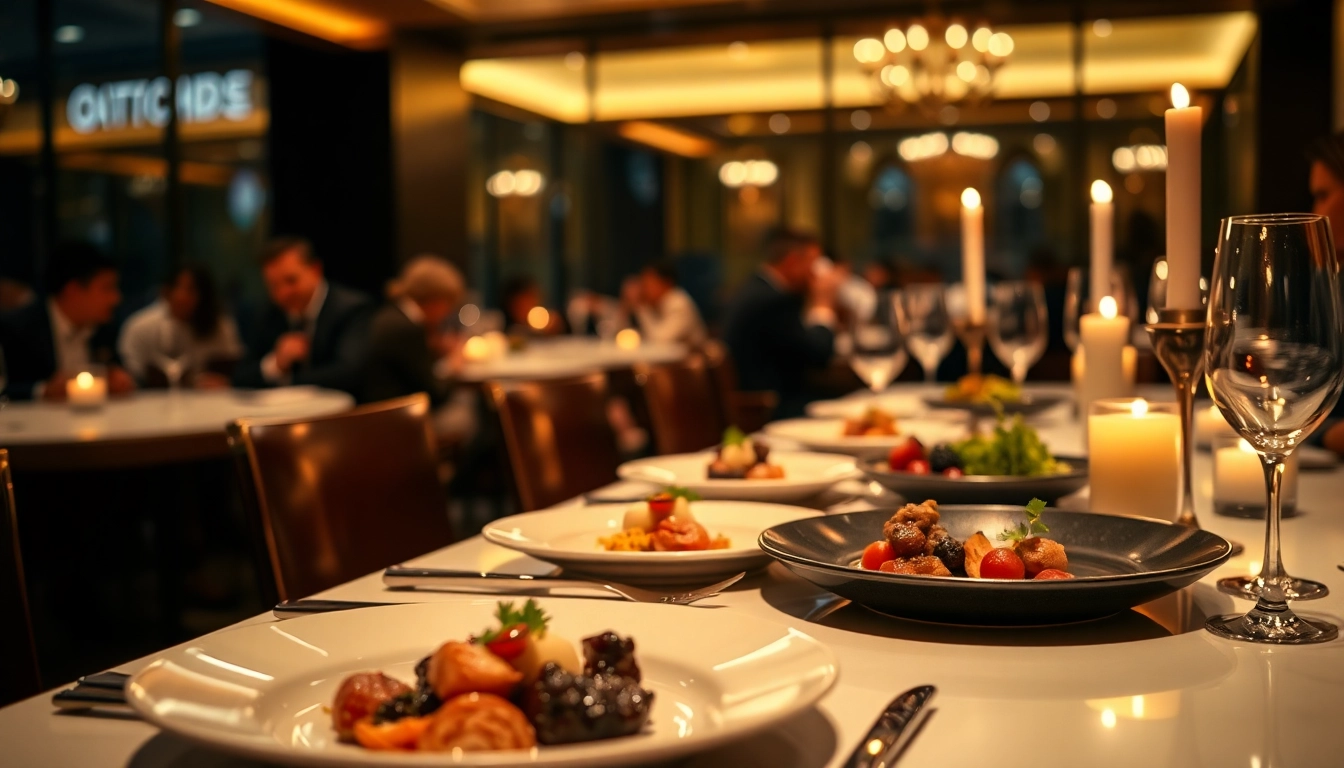
The dining experience is a multi-sensory journey, deeply influenced by the restaurant's ambiance. This includes not just the décor but the overall vibe and feeling of the place. Ambiance sets the stage for a culinary journey, affecting diners' moods, satisfaction, and willingness to return. A thoughtfully curated atmosphere incorporates visual elements, sounds, and even scents to create a compelling environment that complements the food served. Research often indicates that diners remember their experience through the lens of the atmosphere they encountered — that is, they may forget what they ate, but they will always recall how they felt.
Impact of Lighting and Music
Both lighting and music play crucial roles in shaping restaurant ambiance. The right lighting can create intimacy, elevate food presentation, and influence how diners perceive space. Bright and airy lighting may evoke feelings of a casual dining experience, while dimmer, warmer lighting can foster a cozy and romantic atmosphere. On the other hand, background music significantly enhances mood and energy levels within the dining space. Studies show that slower tempos can encourage diners to linger longer, potentially increasing average table turnover. Thus, strategically selecting lighting and music can significantly affect customer experience alongside the slot that a restaurant offers.
Designing Comfortable Spaces
Comfort is a cornerstone of a successful dining experience. Layout, seating, and even climate control contribute to overall comfort. Thoughtful design considers personal space and movement flow throughout the establishment. For instance, tables set too close can create a sense of discomfort, while adequate spacing promotes ease of conversation. Additionally, selecting comfortable seating helps guests settle in and enjoy their meal. Integrating various seating options can cater to different customer preferences, creating a welcoming feel for couples, families, or larger groups.
Menu Design: Crafting a Culinary Journey
Balancing Creativity and Tradition
A well-crafted menu strikes the perfect balance between innovative dishes and time-honored classics. Creativity can entice diners looking for fresh experiences while tradition offers a comforting familiarity. Chefs often draw inspiration from various cuisines to create fusion dishes that excite the palate. However, it's equally important to maintain signature dishes that resonate with guests over time. A dynamic menu that changes with seasons or trends can keep the dining experience lively while honoring the restaurant's roots.
Seasonal and Local Ingredients
Incorporating seasonal and local ingredients into the menu can elevate flavors and freshness. Sourcing food from local farms not only supports regional economies but also provides a competitive edge. Diners increasingly seek authenticity and sustainability in their meals, and featuring local produce reflects a restaurant's commitment to quality. Moreover, seasonal menus reduce carbon footprints and encourage culinary usage based on availability. This practice can help restaurants thrive during lesser-known seasons, broadening the offered slot of culinary options.
Descriptive Language that Entices
Menu descriptions play a pivotal role in marketing food items and ramping up anticipation. Each dish should leverage appetizing language, engaging the sense of taste and smell before it arrives at the table. For instance, instead of simply labeling a dish "chocolate cake," creating a description such as "decadent rich chocolate cake, drizzled with a velvety raspberry coulis" can spark excitement and induce cravings. The art of menu writing lies in evoking emotions that align with the overall dining experience while easily communicating what the dish entails.
Exceptional Service: The Human Touch
Training Staff for Engagement
Staff engagement is vital for creating memorable dining experiences. Intensive training provides staff with the skills they need to connect authentically with customers. This can include everything from learning the stories behind menu items to mastering upselling techniques without being pushy. Engaged staff who feel empowered often lead to satisfied diners, as these team members go above and beyond to fulfill customer needs, thus positively impacting repeat business.
Personalizing Guest Interactions
Personalized interactions can make diners feel unique and valued. Acknowledging guest preferences or recalling previous orders humanizes the dining experience and builds loyalty. Skills in attentive listening and empathy often result in deeper connections with customers. Simple gestures, such as welcoming regular visitors by name or customizing orders based on feedback, can dramatically enhance the overall satisfaction level. A personal touch can turn a one-time visitor into a fledgling fan eagerly awaiting the next chance to dine.
Handling Complaints with Grace
Even with a focus on exceptional service, complaints happen. The manner in which a restaurant responds can be the difference between losing a customer and gaining a loyal one. Staff members need well-defined protocols for addressing customer concerns while remaining calm, friendly, and solution-oriented. Active listening and acknowledging the guest's feelings can de-escalate tense situations, improve satisfaction with conflict resolution, and show a commitment to customer happiness.
Incorporating Technology in the Dining Experience
Online Reservations and Ordering
In today's fast-paced world, offering online reservations and ordering has become a necessity. Streamlined technology can enhance this process, improving the customer experience while increasing convenience and operational efficiency. Allowing guests to secure a table or order food from the comfort of their home caters to modern consumer preferences. This tech-savvy approach not only saves time but also helps restaurants manage peak hours effectively.
Interactive Menus and Payment Options
Interactive menus can revolutionize the dining experience. These digital platforms allow customers to customize their meals easily, view images, and learn more about specific ingredients and their nutrition. Additionally, offering contactless payment options can speed up service and create a secure transaction environment. These advancements not only keep guests satisfied but also enable staff to focus more on personalized guest interactions rather than logistics.
Feedback and Improvement Tools
Utilizing tech tools for feedback collection helps restaurants gauge satisfaction accurately. Online surveys, review platforms, and social media interactions enable restaurants to capture insights into customer perceptions, identify areas of improvement, and adapt accordingly. Analyzing feedback serves as a continuous improvement tool, enabling restaurants to refine their offerings and keep pace with evolving expectations. This proactive approach assists in maintaining a responsive slot within the competitive landscape.
Measuring Success: Metrics for Enhancing Experience
Customer Feedback and Surveys
Regularly collecting feedback through customer surveys is vital, as it provides an essential understanding of guest needs. Effective surveys cover aspects like food quality, service, and ambiances, such as noise levels and comfort. Analyzing these insights will reveal trends and areas for improvement while highlighting strengths. Addressing weaknesses showcased in feedback ensures ongoing improvements that foster returning clientele.
Analyzing Sales Data
Sales data offers invaluable insight into restaurant performance. Restaurants should analyze not only total revenue but also individual menu item success, peak dining times, and customer demographics. By assessing sales trends, establishments can make informed adjustments, such as revamping the menu, adjusting pricing, or enhancing marketing efforts for underperforming dishes. Engaging with data equips decision-makers to optimize the restaurant's slot and tailored strategies.
Monitoring Online Presence
In today's digital age, a restaurant's online presence greatly influences its success. Monitoring reviews, social media interactions, and website traffic can provide insight into public perception and engagement. Leveraging online analytics allows restaurants to create strategies for reputation management and address negative reviews gracefully. A robust online presence not only attracts new guests but retains existing ones, securing brand loyalty.
FAQs
Why is ambiance important in a restaurant?
Ambiance enhances the overall dining experience, affecting mood and satisfaction. A well-designed atmosphere can create a memorable experience that encourages repeat visits.
How can technology improve service?
Technology can streamline reservations, orders, and feedback, enhancing efficiency and allowing staff to focus more on guest interactions.
What role does staff training play?
Well-trained staff ensures personalized service, addressing guest needs effectively and enhancing overall satisfaction with each dining experience.
Why use local ingredients?
Local ingredients ensure freshness, support regional economies, and foster a connection to the local culture, enhancing the authenticity of the dining experience.
How can I measure a restaurant's success?
Success can be measured through customer feedback, sales data analysis, and monitoring online engagement, providing a thorough overview of performance.