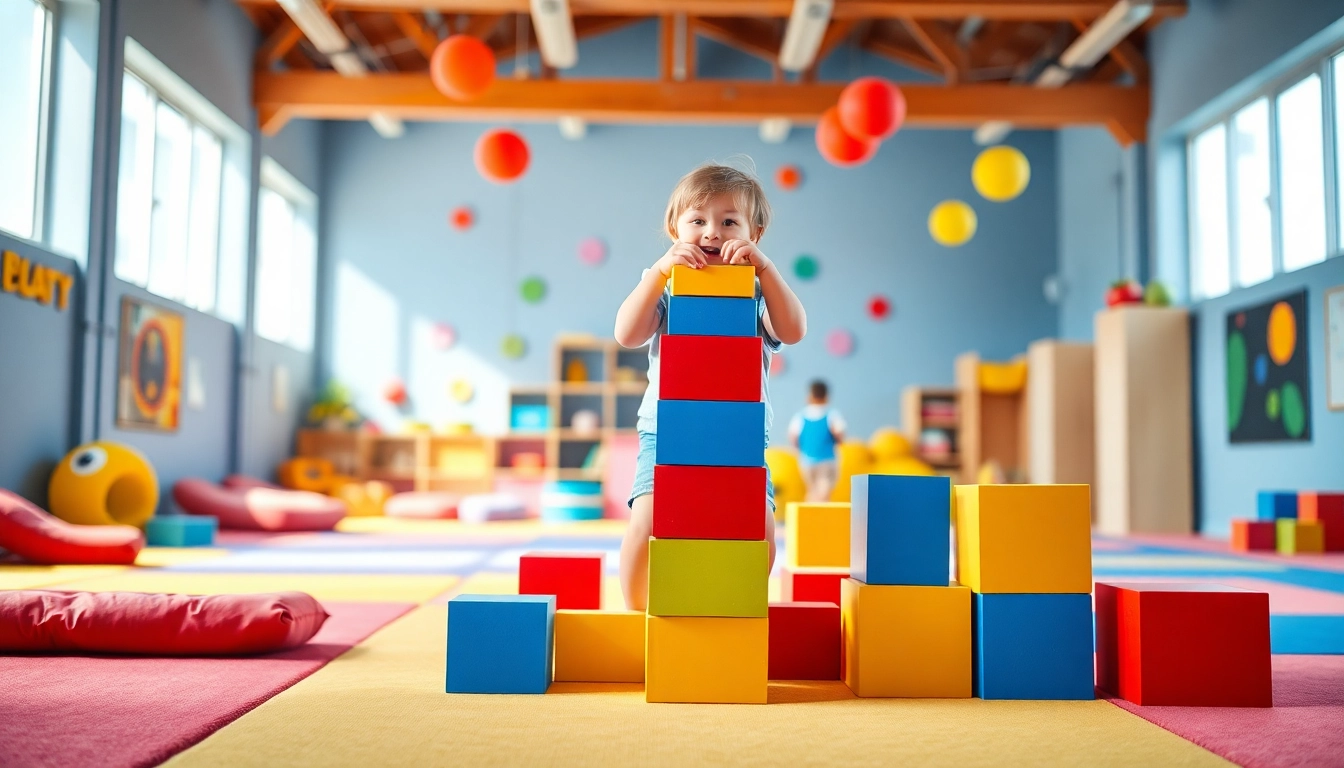
Introduction to Giant Building Blocks
Giant building blocks have emerged as an exceptionally popular choice for kids’ playtime, creatively merging education and entertainment. These oversized blocks invite children to interact with their environment in ways that foster both cognitive and physical development. In this comprehensive guide, we explore the various aspects of giant building blocks, from understanding what they are to how they can be utilized for maximum fun and engagement. For those eager to dive deeper into this fascinating topic, you can discover more about their benefits and how to incorporate them effectively into playtime activities.
What Are Giant Building Blocks?
Giant building blocks are large, often foam or plastic, geometric shapes designed for children to stack, build, and create. Unlike traditional building blocks, which can be small and potentially pose a choking hazard, these oversized alternatives are safe for toddlers and preschoolers. Size variability allows for imaginative play, enabling children to construct anything from simple towers to elaborate structures that resemble houses, castles, or even vehicles. Their softness also mitigates the risks associated with falls or collisions during play.
Benefits for Kids' Development
The developmental benefits of giant building blocks are manifold, addressing a child's growth in several domains:
- Motor Skills: Manipulating heavy blocks enhances gross and fine motor skills, helping to improve strength, coordination, and balance.
- Social Skills: Building together fosters teamwork, communication, and negotiation, essential for social interaction.
- Cognitive Development: Problem-solving, spatial awareness, and critical thinking are all engaged when children strategize how to build securely.
- Creativity: The open-ended nature of block play encourages imaginative thinking as children experiment with various designs.
- Confidence: Successfully creating their structures instills a sense of accomplishment and boosts self-esteem.
Different Types of Building Blocks
There are various types and materials of giant building blocks available, catering to different needs and preferences:
- Foam Blocks: Lightweight and soft, perfect for young children, ensuring safety during play.
- Plastic Blocks: Durable and often water-resistant, making them suitable for outdoor play.
- Wooden Blocks: Classic, sturdy, and provide a tactile experience, enhancing sensory skills.
- Magnetic Blocks: These incorporate magnets for easy connection and can introduce concepts of magnetism while building.
Setting Up for Fun
Choosing the Right Space
Setting the stage for building block play involves selecting an appropriate environment. Indoor spaces such as living rooms, playrooms, or basements may work, but outdoor areas like gardens or playgrounds can also provide ample space. It's essential to choose a flat, stable surface that allows for safe stacking and play. Ensuring the area is clear of obstacles or sharp objects sets the groundwork for enjoyable playtime.
Block Arrangements for Safety and Creativity
Safety and creativity can go hand in hand when arranging giant blocks. Start by grouping similar shapes and sizes together to make it easier for children to find what they need. Establishing clear guidelines on block usage—such as which blocks can be used for climbing or balancing—helps maintain safety while encouraging imaginative play. Additionally, mixing colors and shapes can stimulate their creativity, aiding in visual learning processes.
Creating Themes for Adventures
Thematic play can enhance the experience of using giant building blocks. Themes such as "construction site," "castle building," or "space adventures" can spark imaginative exploration. Creating scenarios where blocks represent different elements of a story creates a dynamic play environment, inviting children to engage deeply with their imagination and storytelling abilities while developing their builds.
Creative Play Ideas
Inspiring Building Challenges
To keep the excitement alive, consider introducing building challenges. These can range from specific height requirements to creating structures that can withstand specific conditions like “the big bad wolf blowing” or building a bridge that can hold weight. Challenges encourage kids to think critically about balance and structure while enjoying a spirited competition that enhances their social skills.
Collaborative Team Projects
Encouraging children to work together on projects using giant building blocks fosters teamwork and collaboration. Set up group-building sessions where children collaborate on larger constructs such as playhouses or themed villages. Incorporating roles within the group—such as architect, builder, or designer—helps develop leadership and group dynamics, making the activity both educational and enjoyable.
Incorporating Stories and Role Play
Giant building blocks can be an excellent prop for storytelling and role-playing games. Children can recreate stories from their favorite books or movies, turning their constructs into the backdrop for imaginative tales. This not only enhances their creativity but also improves their language skills as they narrate their stories or interact with peers in role play.
Maintaining Engagement
Varied Activities to Keep Things Fresh
To avoid monotony, it's important to switch up activities involving giant building blocks regularly. Frequent variations, such as building competitions, obstacle courses, or themed playdays, keep children engaged and excited. Incorporating new materials, like fabric or ropes for interactive elements, can also add a fresh dimension to their play.
Involving Families and Friends
Family involvement can considerably enhance the enjoyment of building block activities. Organizing block-building events where parents can join in promotes family bonding, encourages shared experiences, and aligns various perspectives for collaborative play. Friends can also contribute to a diverse range of ideas, ensuring that the playtime remains vibrant and varied.
Seasonal Themes and Events
Aligning block play with seasonal or holiday themes offers unique opportunities for creativity. For instance, during holidays, children can construct themed decorations or structures reflecting the season, such as a Christmas house or a Halloween haunted fort. This not only makes play more relevant and fun but also deepens their understanding of cultural celebrations.
FAQs About Giant Building Blocks
What age group is best suited for giant building blocks?
Giant building blocks are generally suitable for children aged 2 to 8 years. They engage toddlers with basic stacking and older kids with more complex builds.
Are giant blocks safe for indoor play?
Yes, most giant building blocks are designed with soft materials, making them safe for indoor use. Ensure the play area is free from hazards for added safety.
How can building blocks aid in a child's learning?
Building blocks enhance various learning aspects, from fine motor skills to problem-solving abilities, promoting critical thinking and spatial awareness in children.
Where can I purchase giant building blocks?
Giant building blocks can be found at toy stores, online marketplaces, and educational supply stores, often in a variety of materials and sizes.
What are some unique building challenges?
Some intriguing challenges include building the highest structure, creating a balance bridge, or designing a themed environment such as a zoo or space station.