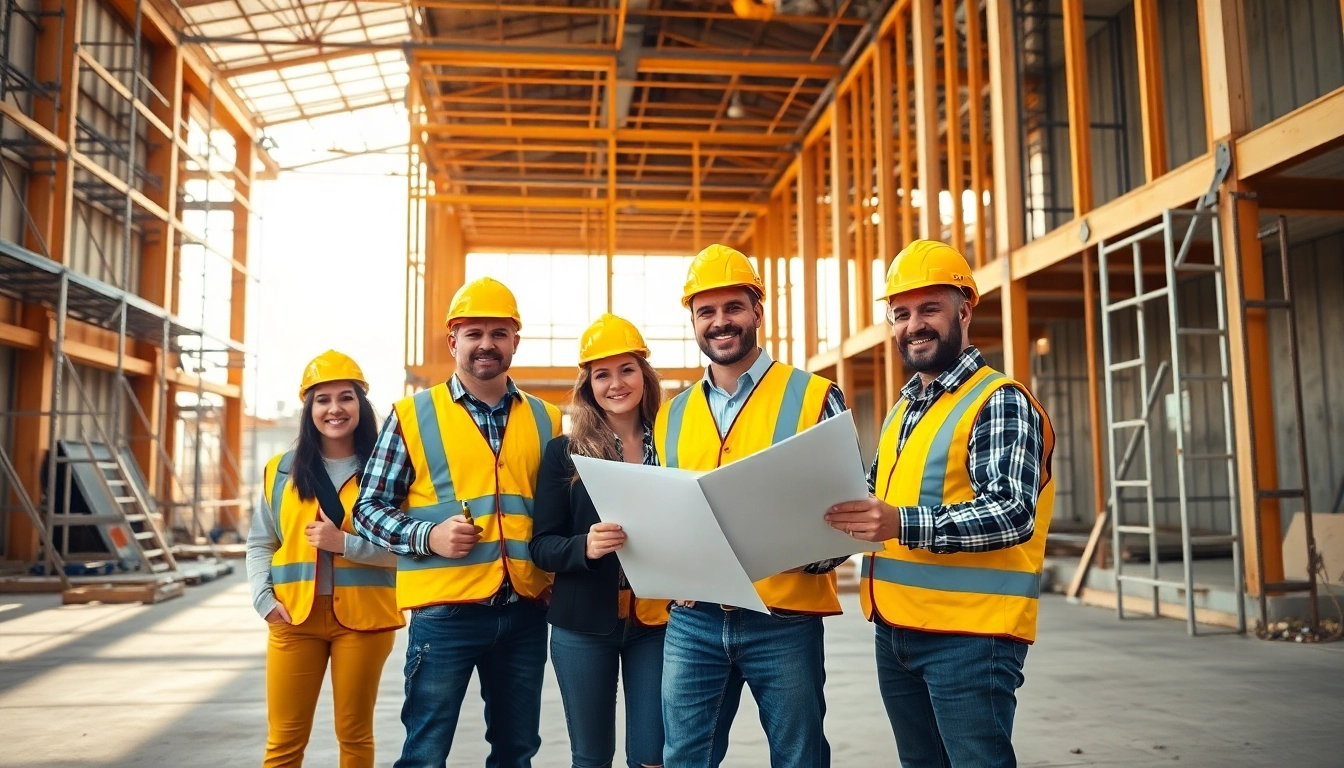
Introduction to New Jersey Commercial General Contractor
The construction landscape in New Jersey is dynamic and multifaceted, driven by a diverse economy that demands skilled professionals. Enter the New Jersey Commercial General Contractor, a critical player in delivering a wide range of services essential for successful commercial projects. From complex commercial buildings to renovations and expansions, understanding the role and capabilities of general contractors is key for stakeholders aiming for successful outcomes.
Defining the Role of a Commercial General Contractor
A commercial general contractor (CGC) serves as the main point of accountability for construction projects. Whether overseeing the entire project from inception to completion or managing various subcontractors, CGCs ensure quality, safety, and compliance with regulations. They coordinate the planning, execution, and monitoring processes, making them essential to ensure that projects remain on schedule and within budget.
Importance of Licensing and Certifications
Licensing and certification are crucial in the construction industry. A reputable New Jersey Commercial General Contractor must have the appropriate licensing, guaranteeing they meet state and local building codes and regulations. Certification from recognized organizations signifies a commitment to industry standards, enhancing credibility and client trust. It is advisable for clients to verify the licenses and certifications of contractors as part of their due diligence to ensure they are hiring qualified professionals.
Key Services Offered by Contractors
Commercial general contractors offer a plethora of services, making them integral in the construction ecosystem. These services include project management, design-build, pre-construction services, construction management, and post-construction support. Each of these areas contributes to the effective flow of a project:
- Project Management: Overseeing all aspects of the project, from budgeting to scheduling and resource allocation.
- Design-Build: A streamlined approach where contractors manage both design and construction, resulting in improved communication and efficiency.
- Pre-Construction Services: Involves initial planning, budget estimates, and project timelines to set the stage for success.
- Construction Management: Involves the coordination of multiple subcontractors and ensuring quality control throughout the build process.
- Post-Construction Support: Offering warranty services and assistance after the project completion, ensuring client satisfaction.
Choosing a Reliable New Jersey Commercial General Contractor
With many contractors available, selecting the right one can be daunting. To ensure a smooth and successful project, clients should prioritize key factors in their selection process.
Researching Credentials and Experience
Do thorough research on potential contractors' credentials, including years in the business and completed projects. An experienced New Jersey Commercial General Contractor will have a portfolio demonstrating their ability to manage similar projects effectively. References from past clients can provide valuable insights into reliability and work quality.
Understanding Project Management Processes
Evaluating a contractor's project management processes is essential. Effective management leads to on-time and within-budget project completions. Look for contractors who utilize project management software and methodologies that facilitate transparent communication and real-time updates.
Evaluating Client Testimonials and Reviews
Client testimonials and online reviews can reveal a contractor's reputation. Look for feedback regarding the contractor's communication, project management, and the final quality of work delivered. Reviews can often highlight red flags that might not be apparent during initial consultations.
Common Challenges Faced by New Jersey Commercial Contractors
Commercial contractors encounter numerous challenges in their line of work. Identifying these potential hurdles can help contractors navigate them effectively.
Budget and Cost Management Issues
Budget overruns are a common issue in construction. Proper budgeting and cost management practices are crucial for a successful project. Contractors should implement rigorous tracking systems and involve clients in budget discussions to establish transparency and shared expectations.
Adhering to Local Building Codes and Regulations
Understanding and adhering to local laws and regulations is vital. Non-compliance can lead to project delays, fines, and safety issues. Contractors are responsible for keeping up-to-date with changing regulations and ensuring that all aspects of the project conform to legal requirements.
Managing Project Timelines and Deadlines
Delays can have significant ripple effects on a project. Effective project management techniques, including critical path analysis and buffer time allocation, are essential for keeping projects on track. Clear communication and contingency planning can mitigate risks associated with timeline changes.
Best Practices for Success in Commercial Construction
To ensure success, it is paramount for commercial contractors to adopt effective strategies that promote efficiency and quality.
Effective Communication with Stakeholders
Strong communication channels among project stakeholders—clients, architects, subcontractors, and suppliers—are essential for timely decision-making and conflict resolution. Regular meetings and updates foster collaboration and keep everyone informed about project progress.
Utilizing Technology and Modern Tools
Integrating technology into projects can streamline operations and enhance productivity. Construction management software, Building Information Modeling (BIM), and mobile applications help contractors manage tasks, monitor progress, and collaborate in real-time, ultimately leading to improved project outcomes.
Continuously Improving Work Standards
Quality control should be a continuous process. Contractors need to implement regular training programs and adopt best practices to maintain high work standards. Encouraging feedback from clients and team members leads to improved processes and outcomes.
Future Trends in New Jersey Commercial Construction
The commercial construction sector is ever-evolving. Staying ahead of trends can provide a competitive edge for contractors.
Green Building Initiatives and Sustainability
As sustainability becomes increasingly important, contractors focusing on green building practices are likely to thrive. Emphasizing eco-friendly materials, energy-efficient designs, and sustainable practices can appeal to environmentally conscious clients and reduce long-term operational costs.
Impact of Technological Advancements
Emerging technologies such as drone surveying, augmented reality, and IoT devices are transforming the construction landscape. Adopting these innovations can enhance accuracy, reduce costs, and improve collaboration across project teams.
Market Predictions and Growth Opportunities
The New Jersey construction market is poised for growth, driven by infrastructure investments and increasing demand for commercial spaces. Contractors who identify emerging opportunities, such as redevelopment projects or emerging market segments, will position themselves to take advantage of the upcoming trends.
Frequently Asked Questions
What should I look for in a commercial contractor?
Focus on their experience, licensing, client reviews, and project management processes to ensure they meet your project needs.
How do I verify a contractor's credentials?
Check their state licensing, request references, and review their completed projects or client testimonials for insight.
What are the common project management tools used by contractors?
Popular tools include project management software, Gantt charts, and Building Information Modeling (BIM) applications.
What are the benefits of green building practices?
Green building reduces environmental impact, lowers energy costs, and often increases property value while appealing to eco-conscious clients.
How do I manage project timelines effectively?
Implement project management methodologies, allocate buffer time for delays, and maintain clear communication with stakeholders to stay on track.